PROMOMED expands its portfolio of incretin drugs in Belarus
17.06.2026
Corporate
For investors
Industry development
17.06.2026
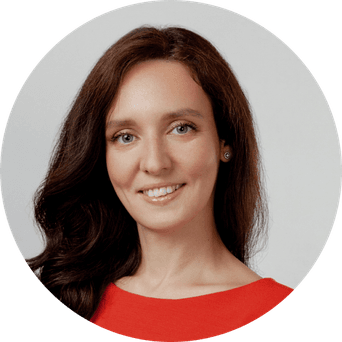
In the 21st century, medicine has made an incredible breakthrough. Cancer drugs have been created, it has become possible to edit DNA, print viable human tissue, and even use artificial intelligence to analyze medical images. And these are not all the victories of the scientific community. What successes have been achieved now and what awaits us in the world of medicine and pharmacology in the near future, Kira Zaslavskaya, Director of New products at Promomed, told AiF in an interview at the SPIEF.
From idea to molecule, from molecule to patient
- Kira, pharma is one of the most innovative industries today. Your company even has its own research and development center. As we know, this pleasure is not cheap. What advantages does it provide?
- We need to understand why we are doing all this. We produce the most innovative and effective medicines. Why did we decide to create our own research center? Promomed company operates according to the concept of a full cycle: from idea to molecule, from molecule to patient. Our R&D Center (Research and Development – Ed.), which already employs more than 500 people, is one of the largest centers in Russia. We have several laboratories located in Moscow, Saransk – at the Biochemist flagship enterprise, at the factory in Obninsk and at other sites.
This center allows us to organize the entire development process. We can model molecules, predict their properties, engage in pharmaceutical development, organize preclinical and clinical research, as well as pay attention to the protection of intellectual property — we do all this on our own.
Thus, we achieve several goals. Firstly, we work as quickly as possible, because we are interested in the result and develop rational strategies. Secondly, we control every stage. Having our own R&D center allows us to create truly complex and, most importantly, the latest original drugs.
Animal protection
- Just the other day, there was news in the media that you are developing a veterinary field and a fairly popular drug for protecting pets from ticks has appeared in your portfolio. Why did the company decide to create drugs not only for humans, but also for animals?
- If we talk about the Promomed company's drug portfolio, it already includes more than 370 drugs. We produce over 10 different dosage forms: tablets, capsules, ampoules, suspensions, solutions. We have really broad competencies. Why not extend them to animal care? After all, this is also an important part of drug safety.
The drug you mentioned is the first domestic fluralaner that protects dogs from fleas and ticks. It is available in a unique form of chewable tablets-"cutlets" with a meaty smell and taste. No more forcing the dog to swallow them.
Why is this important for drug safety? On the one hand, we protect animals from parasites that carry dangerous diseases, from which it will be impossible to save a pet. A dog can die from blood poisoning in just a few days. On the other hand, these parasites can carry diseases that are dangerous to humans (for example, tick–borne encephalitis or Lyme disease). When we protect our pets, we protect people as well — this is drug safety.
In addition, the technology is a platform solution. Our company develops many technology platforms. Having mastered one technology, we can produce not one, but several drugs at once. "Cutlets" is exactly the kind of platform solution that will allow you to create veterinary drugs in an easy—to-use format.
Against viruses
- It is often written that the Ebola virus and hantaviruses are raging in the world. Antiviral drugs are being discussed against this background. Some people think they work, others don't. How do you feel about such funds? How to overcome myths about their inefficiency?
- Firstly, antiviral drugs are different. We must rely on evidence-based medicine. If you look at the clinical recommendations for influenza or other infectious diseases, it becomes clear that the earlier we start antiviral therapy, the lower the risk of serious complications. Therefore, antiviral therapy is extremely important.
Further, there are modern antiviral drugs with targeted action. This is not a stimulation of the immune system. We have chosen a specific strategy for our antiviral platform. For example, the effect of our drugs is not based on binding a specific protein and preventing the virus from entering the cell: viral proteins are very susceptible to mutations, and this immediately raises the question of resistance and ineffectiveness of therapy. We focused on a specific target, an enzyme with the complex name RNA–dependent RNA polymerase, which is present in RNA viruses. These include coronaviruses, influenza viruses, hantaviruses, Ebola virus, as well as many common SARS pathogens. Our drug blocks the target, interrupts the reproduction of the pathogen and removes it from the body. It is important that the RNA-dependent RNA polymerase does not change depending on the virus strain, moreover, it is absent in human cells. Accordingly, only virus particles die as a result of therapy. In global practice, companies that create antiviral drugs that target targets present only in viral particles are certainly developing effective drugs.
We have conducted many multicenter clinical trials involving hundreds of people. One of them was headed by academician Oksana Drapkina, the chief therapist of our country. That is, any myths are shattered by evidence-based medicine.
Biological age
- Speaking of myths. You have repeatedly talked about the importance of maintaining metabolic health and the risks that overweight entails. As we know, yesterday at the forum you signed an agreement with the Academician Dedov National Research Institute of Endocrinology of the Russian Ministry of Health. Why are you paying so much attention to this issue and what prospects are opening up in the future?
- We are experts in the field of metabolic health. We have been solving this global problem for about 20 years and have been working closely with the National Research Institute of Endocrinology. This is a really serious problem, because metabolic diseases are a proven risk factor for diabetes, infertility, and even cancer. Research shows that weight loss helps significantly reduce these risks and restore health.
Our portfolio already includes modern products for the treatment of obesity and diabetes, but we are moving on. Scientific evidence confirms that overweight and metabolic disorders increase the biological age of patients by 4 years. It is also associated with the risk of developing other diseases and premature death.
We decided to conduct a large-scale study, which will consist of several stages. By collecting patient data from all regions of the country, we will study markers and indicators of the so-called biological clock in order to find out the real biological age of Russians, depending on whether they are overweight or normal weight. Then we will work out specific parameters that need to be included in the state guarantee program so that people can check these indicators for free.
Next, we will develop algorithms for a personalized approach to therapy to prevent premature aging and live happily ever after. These are not just beautiful words: if we learn to break down the cascade of disorders, our biological age will decrease, and the risks of complications will decrease.
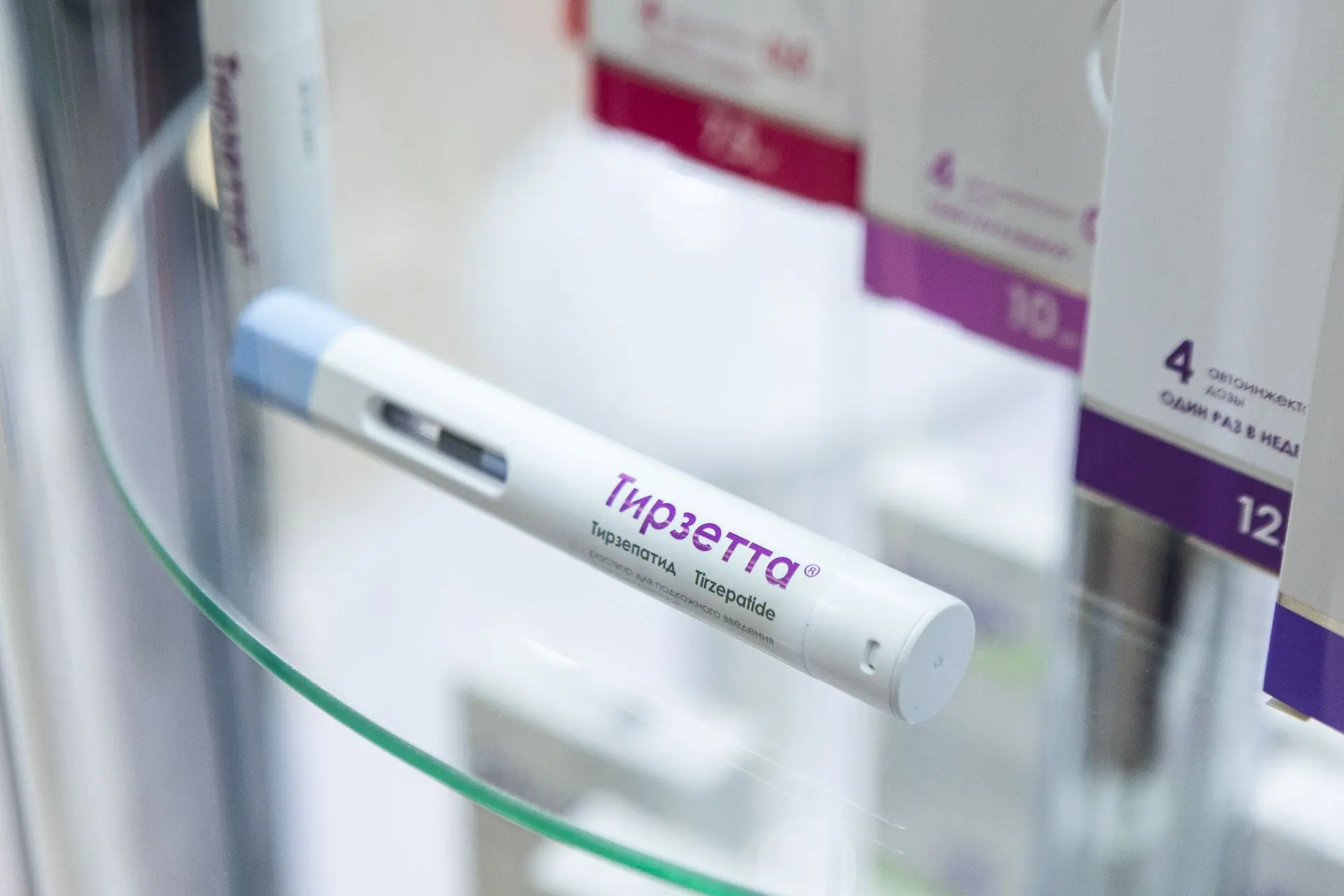
As for the current developments, we already have long-acting drugs that need to be injected once a week. Next year, we plan to apply for registration of the drug, which needs to be injected once every two weeks, which will increase the convenience for the patient. In addition, we are working on next-generation drugs that will act on three targets rather than two, in order to achieve even better results and, for example, defeat diabetes mellitus.
Medicine of the future
- In a recent interview, you said that your company has expanded its research area beyond chemical synthesis by turning to biotechnology. And also that biomedical drugs have made it possible to make a breakthrough in the treatment of many diseases. Why is this so? What is unique about Biotech?
- A person always perceives substances similar to those produced in his body better. Most often, it is biotechnologies that make it possible to create molecules that are as natural as possible and bind well to the desired targets. For example, our incretin peptides are also nature-like technologies, as we call them.
In general, when we talk about biotech, we usually mean drugs for the treatment of cancer or autoimmune diseases. They mimic the action of proteins, hitting the target precisely, without hitting healthy cells. We are currently conducting a clinical trial of a monoclonal antibody conjugate with a chemical agent. It is a compound of a bispecific antibody, which acts on several targets, and chemotherapy, which destroys the tumor. We have learned how to deliver a chemotherapeutic drug directly into a cancer cell. This increases the effectiveness and safety of treatment and opens up a new direction in medicine.
- By the way, you often talk about the medicine of the future and innovative developments. And what exactly do you mean by this concept? What is your company doing in the areas of CAR-T therapy, DNA, RNA editing and other new technologies?
- The medicine of the future is technologies that will allow the treatment of previously incurable diseases, including genetic ones. And then, of course, it's personalized medicine, when therapy is tailored to a specific person, their protein set and disease.
We are engaged in such technologies. We have a number of projects, including the CAR-T therapy project, which we are implementing jointly with the National Research Institute of Endocrinology. Our goal is to develop CAR-T therapy for the treatment of not only blood cancer (it has already become widespread in world practice), but also solid tumors, because these are the most common types of cancer.
As for RNA therapy, there are projects with Peter the Great St. Petersburg Polytechnic University and the Institute of Chemical Biology and Fundamental Medicine of the Siberian Branch of the Russian Academy of Sciences in Novosibirsk. We are working on a first–in-class drug, a therapeutic antitumor vaccine for the treatment of a number of diseases, which we hope will help overcome the resistance of cancer cells to chemotherapy. These are still early developments, but we plan to switch to clinical trials in the middle of next year.
Get the most interesting news and publications first!
Sent successfully!
Press office
To request a press release or interview, please contact our press office