
Access to therapy is part of the protection of the constitutional order: Peter Bely spoke at the SPIEF session on intellectual property
21.06.2022
Production
Medicines
21.06.2022
Promomed Group of Companies is one of the leaders of the Russian pharmaceutical industry. In the pandemic year 2020, Promomed was one of the first to market a drug for the treatment of coronavirus based on the favipiravir molecule. In total, the company produces more than 250 names of medicines, 80% of which are vital. Peter Bely, Chairman of the Board of Directors of Promomed Group, told RIA Novosti correspondent Yulia Chicherina about the impact of sanctions pressure on the pharmaceutical industry, whether humanity will finally defeat the coronavirus, about biotechnologies and the personnel reserve, as well as about the company's participation in SPIEF 2022.
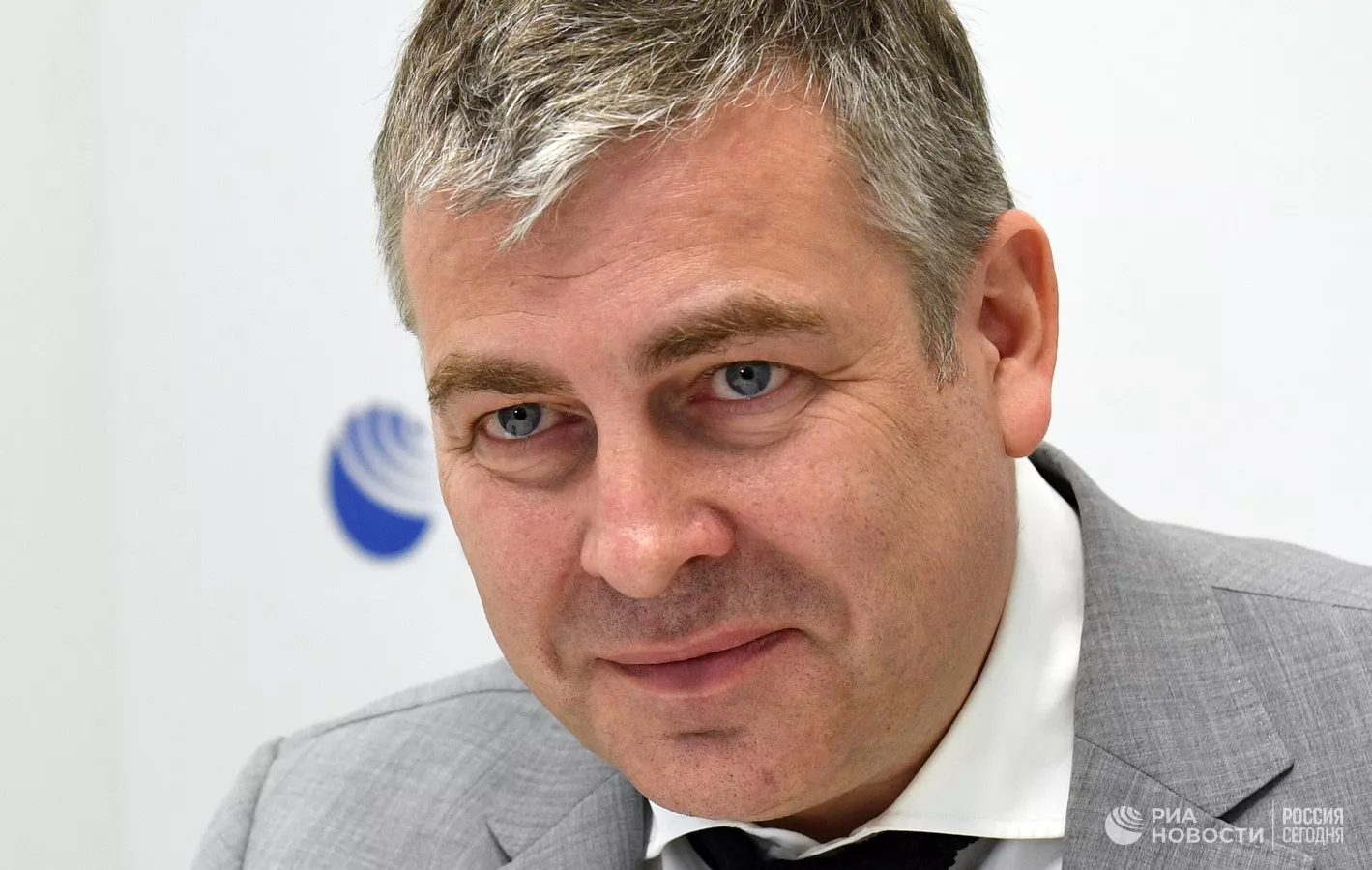
— Pyotr Alexandrovich, our meeting is taking place on the sidelines. SPIEF, what did Promomed come to the forum with, and what agreements did you sign?
— First of all, I would like to emphasize that the SPIEF is an important event for our country, and today, in a turbulent time, it is very important for us, as well as other large pharmaceutical companies, to send a clear signal here at the forum that everything is fine with medicines in our country. The company is operating normally, we synthesize substances, make a lot of medicines — 250 names, of which about 80% are vital. There are no interruptions in the supply of medicines. Everything is fine with medicines in our country.
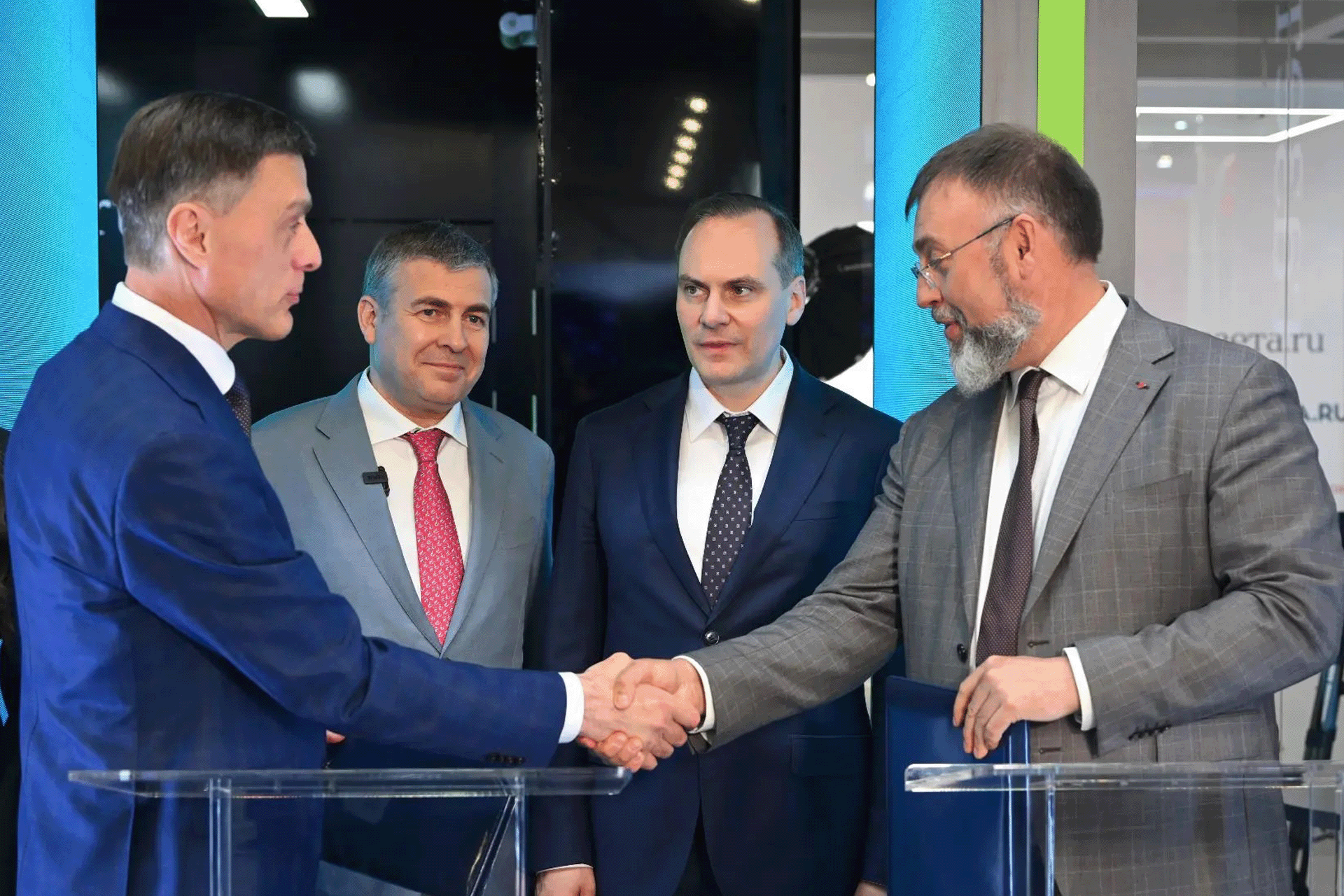
The tasks that we are implementing are in high demand and they all lie in the field of innovation. At the SPIEF, we signed an agreement with the Skolkovo Foundation on the development of an innovation cluster, as Skolkovo has a very strong division in Mordovia, where our large Biochemist plant is located. Now together we will be engaged in the development and implementation of innovative biotechnological pharmaceutical products. For the republic and the foundation itself, this is a leap towards accelerating innovation, but for us it is a very important step in development, as Skolkovo is a universal accelerator of innovation with vast experience and expertise.
During the forum, we also concluded strategic partnership agreements with four leading Russian universities — the Mendeleev Russian University of Chemical Technology, the Evdokimov Moscow State University of Medicine and Dentistry, the Ogarev National Research Mordovian State University, and the St. Petersburg University of Chemistry and Pharmacy.
All agreements are aimed at developing cooperation in the field of training highly qualified personnel for the domestic pharmaceutical industry and are a necessary link in our fruitful work.
— The Forum is also a platform for business interaction with government agencies. How important is government assistance to you? How does it turn out?
— Government assistance is extremely important. The main thing is to perceive it correctly — this is not a magician who will fly in and start handing out money from a helicopter. Government assistance is valuable in our qualified cooperation — in creating conditions and markets for the Russian pharmaceutical industry to stop exploiting the generic model, which is typical for most developing countries of the world. It is very important to us that our medicines become more and more innovative.
The covid experience has shown that this is possible. He gave us a whole generation of innovative medicines, patented in Russia. It is important to extend it to critically important areas of therapy: diseases of the cardiovascular system, oncological and neurological diseases, diabetes, and, of course, the fight against infections.
So, at one of the forum sessions, the issue of ensuring conditions for patenting, which should comply with the best international practices, was discussed. If we are talking about innovations, then they must be protected from the very beginning, from the very first step, from the very beginning of the idea, and protected in the way that the best pharmaceutical companies around the world do.
And here it is worth mentioning our positive experience of interaction with government agencies. Today, the industry and the regulator are listening to each other. Rospatent has created a special tool that allows Russian pharmaceutical companies to quickly check their ideas and innovations for patentability. Now it's not a strict body where you submit something and expect a harsh verdict. Now it is a partner who is able to advise and direct the research force in the direction of maximum protection of the intellectual property of Russian developers.
— Why do you need such protection?
— Someone here at the forum correctly said that we need to create medicines to treat diseases in Russia. I will make a significant amendment — we must create medicines to treat diseases in the world. New drugs are always a new approach to therapy, WHOthe ability to treat something that has not been treated before, or the treatment was not fast or ineffective. This is necessary for both doctors and patients, not only in Russia, but everywhere in the world. Therefore, it is important for our industry that regulators — the Ministry of Industry and Trade, the Ministry of Health, and Rospatent - hear and support us. Such cooperation is the way to ensure that our developments transcend borders and become world heritage. Not only oil, gas, atom, and Russian programmers, but also the fruits of the work of the best scientists from all over the country, realized in the form of patents and medicines, will become and are already becoming the golden property of Russia.
— Promomed Group of Companies In a short time, she developed several innovative drugs against COVID-19. Of course, this is a challenge of the times. But today, the media often talk about the fight against smallpox monkeys. Are you also working in this direction?
— Work is underway. Monkey pox is not yet a serious threat and does not portend a development into some kind of epidemic or pandemic phase. So far, this is a limited number of cases in a limited number of countries. But we, as an industry, must always be prepared for any challenges. Research is already underway, and we are working with candidate molecules that may be effective in treating those cases of monkeypox that occur in humans. Developments are underway, and if this becomes a threat, we will be able to create a new drug in a short time.
— You have touched upon the topic of biotechnology. What are the company's goals in this area?
— Biotechnology is a favorite topic in our company. If we're talking about innovative chemical drugs, then creating a new class of molecule is a stroke of luck. Lucky me! And biotechnology is a much more systematic and consistent science, I would say, "more devoted" to humans. Here it is much more likely to calculate which molecule will work, which pathological process we will stop. There is every chance of creating drugs with much greater efficacy and safety. If we look at global trends, today an increasing proportion of diseases are treated with biotechnological drugs.
Today, our country makes chemical medicines very well, we produce 90% of generics ourselves, and we are making more and better substances. In 2-3 years, the production of most substances will be localized.
But our biotechnological production is still at an earlier stage of development. A limited number of companies are involved in this, and they are all present here at the forum. These are our heroes, who, in fact, have created a new industry in the country. And the country's strength should now be manifested in the fact that there are as many such companies as possible, and that each group develops its own segment of biotechnological drugs for the treatment of diseases of any complexity. From the rarest, orphan ones, where there are few patients and it is difficult to do research, to the most well—known pathologies, primarily chronic ones. So that we can treat things that were previously untreatable. It's better to treat, safer, and more likely to succeed. This is biotech. And this is the future of the country.
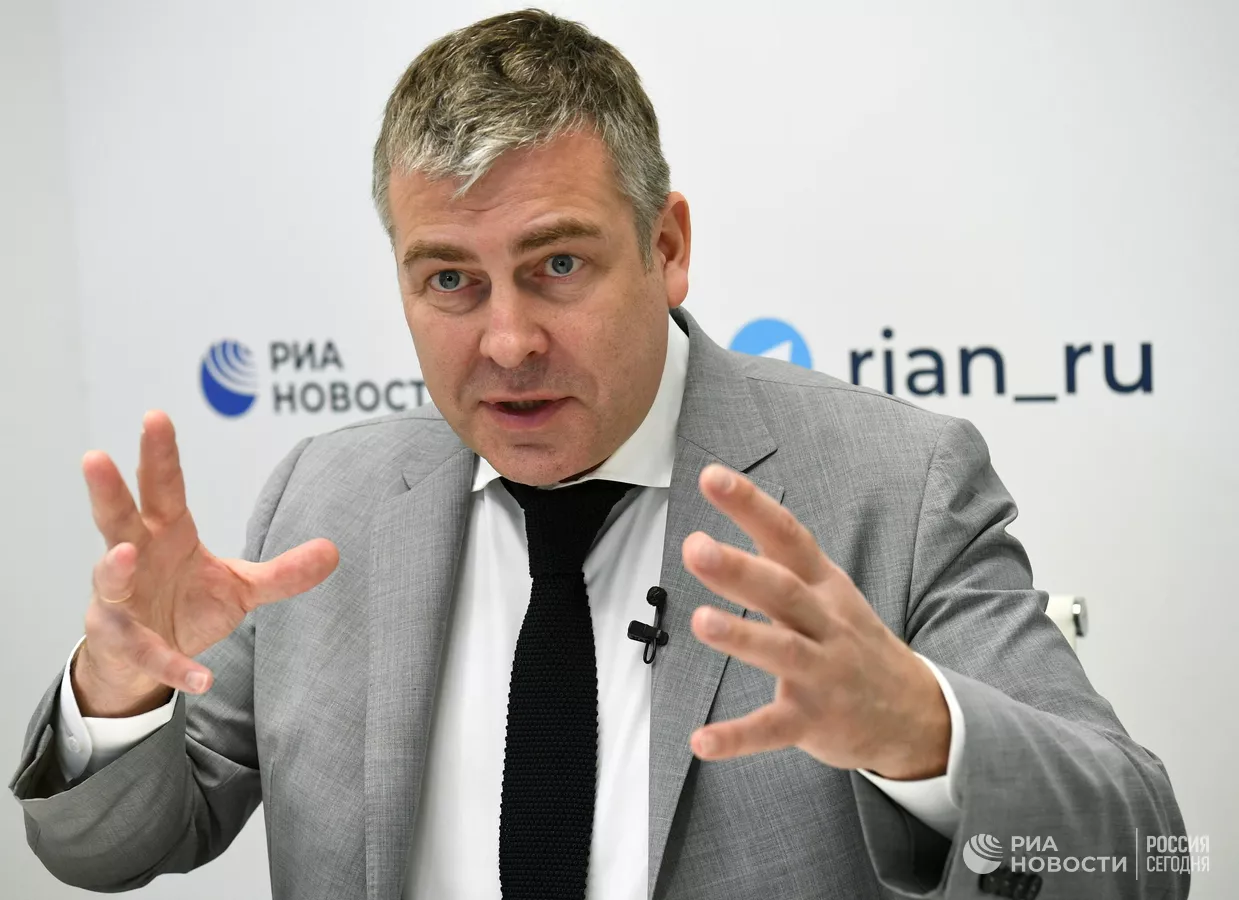
— So, can we say that you are concerned with the future of the country?
— This is our dream. But we are trying and doing a lot to bring the future closer. To give one example, there is a lot of talk about RNA technologies now, especially since the time when mRNA vaccines appeared, which showed remarkable therapeutic results.
We have our own RNA technology, but not to create a vaccine, but to treat diseases. We have recreated an entire therapeutic platform and based on it, we have already registered the first drug. This platform provides an opportunity to create the latest medicines for the treatment of a wide variety of diseases, from multiple sclerosis to cancer, for pre— and post—exposure prophylaxis of a wide range of infectious diseases.
This platform has been created. And, by the way, graduates of Mordovian State University, with whom we signed an agreement at SPIEF to expand cooperation in the field of professional training, are engaged in its development. I would like to note that this wonderful team of talented young professionals, the oldest of whom is only 27 years old, is developing a unique technology for the country and the world, serving this entire platform, which gives a chance to cure those whom we now consider terminally ill.
Working with universities results in such a wonderful cycle of cooperation.: we train specialists, specialists come to work at the factory, and they innovate. The whole country is being treated with these innovative drugs, and then there are new graduates, even more interesting ideas, even more drugs, and innovations. It is very important that their work has a global future. And we will do everything possible to ensure that the latest medicines are effective.The work of this wonderful team of young scientists has become available all over the world.
Source: ria.ru
Sources
Get the most interesting news and publications first!
Sent successfully!
Press office
To request a press release or interview, please contact our press office