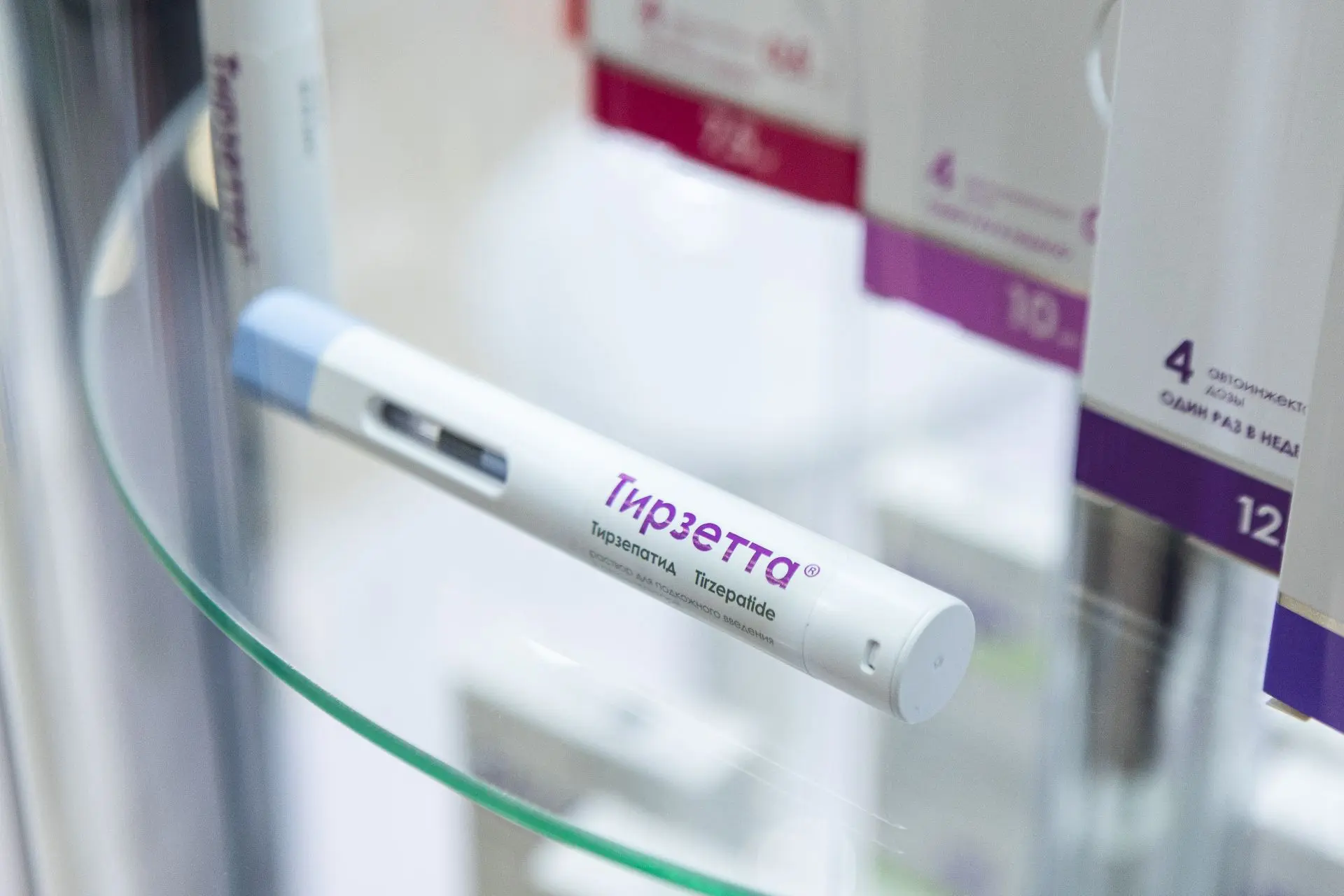
PROMOMED expands its portfolio of incretin drugs in Belarus

04.06.2026
Medicines
Industry development
04.06.2026
As part of the business program of the St. Petersburg International Economic Forum, the session "Space for Innovative Competitiveness: the Search for Borders" brought together government officials, lawmakers and pharmaceutical manufacturers. The session was moderated by Lilia Gumerova, Chairman of the Federation Council Committee on Science, Education and Culture.
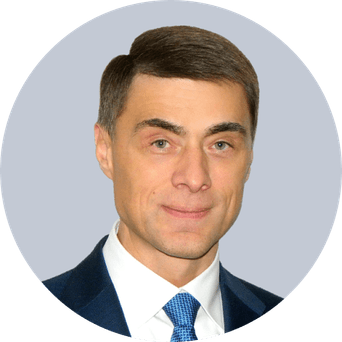
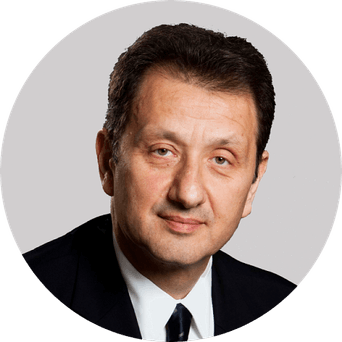
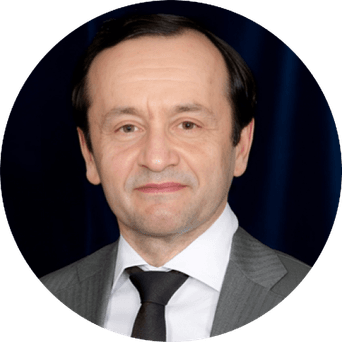
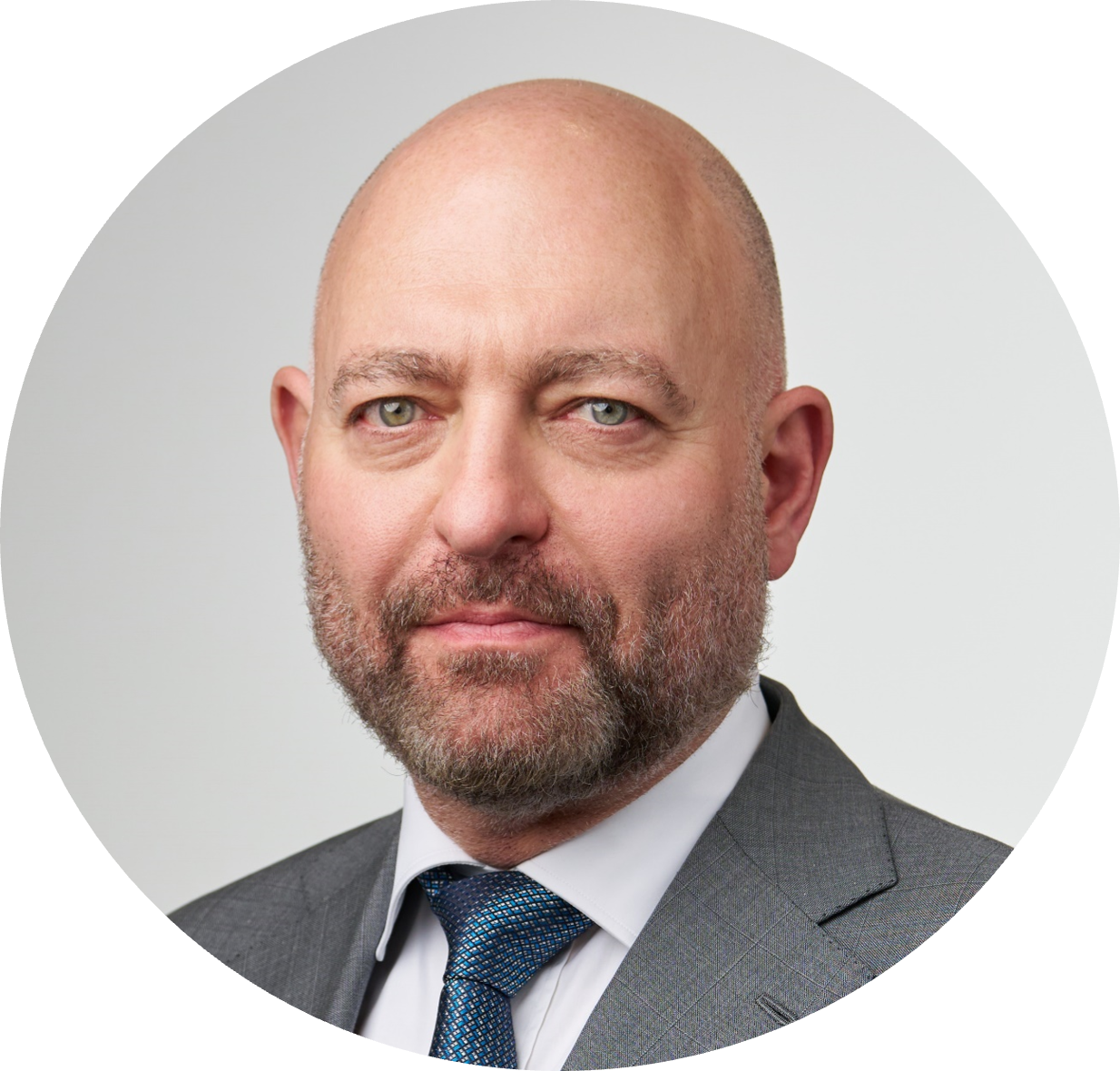
Among the participants of the session were Artyom Zdunov, Head of the Republic of Mordovia; Petr Bely, MD, Chairman of the Board of Directors of PROMOMED; Svetlana Chupsheva, CEO of the Agency for Strategic Initiatives; Sergey Glagolev, Deputy Minister of Health of the Russian Federation; Yuri Zubov, Head of Rospatent; Olga Ruzakova, Deputy Chief of Staff of the State Duma Committee on State construction and Legislation; and Oleg Grin, Director of the Scientific and Educational Center for Legal Support of Bioeconomics and Genetic Technologies at O. E. Kutafin University (MGUA).
"The development of competition in the industry requires dialogue and a careful approach to legal relations in order to maintain a balance between copyright holders, users and the state," said Lilia Gumerova. She emphasized that the key task today is to find a middle ground that will allow the industry to develop dynamically, while maintaining the availability of social guarantees for citizens.
Petr Bely noted that fundamental changes have taken place in the industry over the past year. They are related to the decisions of the Supreme and Constitutional Courts, which emphasized, on the one hand, the stability of the domestic patent system and guarantees for the protection of exclusive rights, and, on the other, the primacy of the interests of society. "Access to therapy is an aspect of protecting the constitutional order," he stressed. — If the necessary therapy is not enough, the state can and should intervene. The decision-making criteria were formulated by the Constitutional Court in relation to Article 1362 of the Civil Code of the Russian Federation. Accessibility, sufficiency, and price come to the fore as a factor in the availability of medicines. One of the key questions is whether the importance of the price factor will influence the development of law enforcement practice under Article 1360 of the Civil Code of the Russian Federation.".
Svetlana Chupsheva said that currently, on behalf of the country's leadership, work is underway to improve the investment climate. She noted: "Business and science need a clear understanding of global markets and the search for promising niches in which technologies are developing. This area requires rules regarding the protection of intellectual property and patenting." According to her, by 2027, through the joint work of Rospatent and the Ministry of Finance, such a platform will be created. The expert also stressed the importance of combating patent trolls and abuse of exclusive rights as such. Work is already underway to prevent registration of rights without the intention to use them. This practice creates real barriers for bona fide market participants.
Artyom Zdunov continued the topic of monopolistic market manipulation. In an unstable geopolitical situation, he called for supporting domestic producers, focusing on quality and price factors, while preserving the opportunities of those wishing to enter the market. "We have to find better and cheaper ones. And we must be sure that the medicines we purchase will be available in five or ten years, regardless of the global and international situation. Security is what the regions need. In the republic, we are constantly expanding the program of state guarantees, and the tasks are growing accordingly, while the means to ensure them remain the same. What should the region do? We have to look for new, high-quality, proven ways, so we set tasks for our universities and enterprises to find new innovative solutions," the head of Mordovia emphasized.
Elena Maksimkina, Head of the Federal Center for Planning and Organization of Drug Provision for Citizens, expressed confidence that Russia's own pharmaceutical industry is at a high level. Among the most serious problems, the expert noted the inability of individual manufacturers who are not ready to make concessions. In her opinion, some patents have become a tool for monopolistic pricing, which is why many solutions are simply inaccessible to Russian patients. Elena Maksimkina supported the idea of creating a competitive environment in the Russian pharmaceutical industry and stated: "We have to buy the drug, and let them decide their trade wars on the judicial platform." As a measure to stimulate intellectual competition, Elena also suggested considering the possibility of granting a monopoly for the first generic drug localized in the Russian Federation.
Sergey Glagolev drew the discussion participants' attention to the fact that two thirds of sales on the Russian market relate to patented drugs. In this regard, the social component is of particular importance along with the commercial one. He stated that he expects to work together to improve law enforcement, including through the activities of the national Center for the Transfer of Medical Technologies, which can advise those who wish on patent protection issues.
Yuri Zubov called for a scrupulous assessment when considering applications for Government permits. According to him, inattention can undermine the value of intellectual property and disrupt the attractiveness of access to the Russian market. He returned to the issue of articles of the legislation of the Russian Federation aimed at issuing compulsory licenses, and said that proposals were being received from all sides to optimize this mechanism. "It is necessary to move towards the unification and centralization of this practice," Yuri Zubov emphasized.
Olga Ruzakova noted that lawmakers are regularly working to strengthen the protection of intellectual property. "Some issues, of course, are resolved at the level of judicial interpretation. We see this in today's discussion. Of course, the experience of foreign countries is important. And the changes that are being prepared require discussion with the Intellectual Property Council, the Chairman of the Federation Council, and the community," Olga Ruzakova said.
Oleg Grin, in turn, summed up that the problem of abuse of exclusive rights does exist and the implementation of the proposals made at the session is impossible without improving Russian legislation. According to him, now we should be talking about fine-tuning regulation and creating a so-called code of good practices, rather than hastily introducing momentary amendments to legislation.

Get the most interesting news and publications first!
Sent successfully!

Press office
To request a press release or interview, please contact our press office