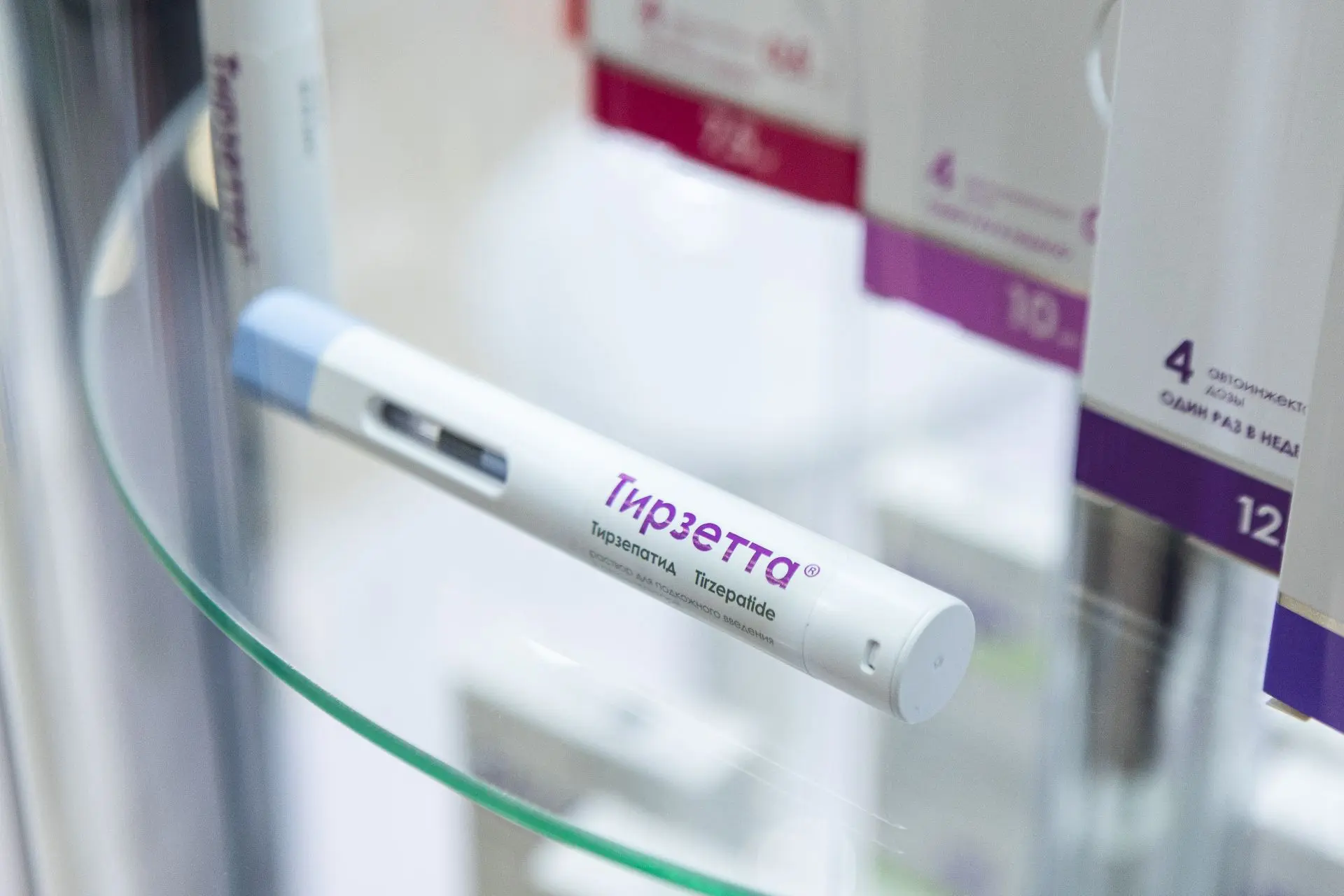
PROMOMED expands its portfolio of incretin drugs in Belarus
31.03.2022
Medicines
31.03.2022
The possibilities of increasing the effectiveness of neuroprotective therapy in patients with acute and chronic cerebrovascular diseases, cognitive impairments and asthenic syndrome of various origins using the drug Brainmax® discussed in Moscow, 03/26/2022 at the Council of Experts
The uniqueness of the innovative drug lies in the triple mechanism of action through the protection of cells of the nervous system, the restoration of damaged neurons and the activation of the brain, which provide enhanced neuroprotection. The know-how of development and production technology belong to the Promomed Group of Companies.
Brainmax® It is effective in the complex therapy of acute and chronic cerebral circulatory disorders, various mild cognitive disorders, decreased working capacity, as well as for maintaining the body during mental and physical overloads, including athletes and specialists associated with surgical activities. The drug is relevant for the rehabilitation of patients after COVID-19.
Professor Vladimir Zakharov He drew attention to the fact that cognitive impairments, which are relevant at all times, have taken on a special significance during the COVID-19 pandemic. Similar complications occur in 80% of patients who are ill, and rehabilitation of patients in the post-covid period should include neuroprotective therapy. The professor sees the application points of the Brainmax drug® not only for vascular lesions: "The potential of prescribing the drug is wider than prescribed in the instructions."
Professor Marina Granovskaya noted: "the non-obvious combination of the drug's components provides synergy in terms of the severity of the neuroprotective effect. Brainmax® On the one hand, it protects the cell from the effects of damaging factors, on the other hand, it optimizes energy production in the cell. Thus, the cell, even under conditions of hypoxia or stress, produces enough energy to ensure normal functioning. These effects determine the breadth of the drug's pharmacological activity."
Professor Natalia Pisova In her report, she outlined the relevance of the problem of stroke and the relevance of neuroprotective therapy for such patients at the stages of treatment and rehabilitation. "In a randomized multicenter trial, it was proven that Brainmax® It has a pronounced neuroprotective effect that helps prevent the formation of a pathological cascade that occurs in the central nervous system against the background of acute cerebrovascular insufficiency. Thus, it is advisable to include the drug in the treatment regimens for acute cerebral circulatory disorders (ischemic stroke, transient ischemic attack), starting with parenteral administration at the hospital care stage and subsequently taking capsules," said Natalia Vyacheslavovna.
Professor Igor Litvinenko He shared the data that the violation of iron homeostasis underlies the general mechanisms of progression of neurodegenerative diseases such as Parkinson's disease, Alzheimer's disease and damage to the nervous system in COVID-19. In particular, multiple correlation analysis showed the presence of reliable links between iron and ferritin levels with protein markers of neurodegeneration. High ferritin levels, often observed in patients after coronavirus infection, may contribute to the transition of moderate cognitive impairment to dementia. In this regard, neuroprotective therapy using the drug Brainmax® It takes on an important role in the rehabilitation of such patients.
Doctor of Medicine Alexey Danilov He suggested considering the potential of the Brainmax drug® in patients with asthenia, those who constantly feel tired and weak, which do not go away after sleep and reduce their performance. Such conditions occur both in stressful situations at work, after work overload by specialist operators (drivers, machinists, pilots, radar operators, etc.) and after infectious diseases, including in the framework of the post-covid syndrome. "Patients describe a post-covid symptom complex (cognitive impairment and asthenia) like a "brain fog".
Doctor of Medicine Veronika Shishkova She emphasized that "Brainmax is an actual and in-demand drug. Its use will soon go beyond neuroprotection. Potentially, the drug has wide application possibilities in cardiology, in the treatment of patients with myocardial infarction, chronic heart failure and other cardiovascular diseases."
Following the meeting of the Council of Experts, a resolution with key conclusions and recommendations was adopted. The meeting was attended by leading experts in the field of neurology:
— Andrey Borisovich Danilov, MD, Professor of the Department of Nervous Diseases at the Institute of Professional Education of the I.M.Sechenov First Moscow State Medical University, Chairman of the Board of Experts of the Association of Interdisciplinary Medicine, Editor-in-Chief of the journal Manage Pain
— Alexey Borisovich Danilov, MD, Head of the Department of Nervous Diseases at the Institute of Professional Education of the I.M. Sechenov First Moscow State Medical University, Executive Director of the Association of Interdisciplinary Medicine.
— Zakharov Vladimir Vladimirovich, MD, Professor, Department of Nervous Diseases and Neurosurgery, I.M. Sechenov First Moscow State Medical University
— Igor Alekseevich Voznyuk, MD, Professor of the Department of Nervous Diseases at the Kirov Military Medical Academy, Deputy Director for Scientific Work at the I.I. Dzhanelidze St. Petersburg Research Institute of Emergency Medicine, Chief Freelance Neurologist at the St. Petersburg Health Committee
— Marina V. Putilina, MD, Professor of the Department of Clinical Pharmacology, Faculty of Medicine, Pirogov Russian National Research Medical University
— Zhivolupov Sergey Anatolyevich, MD, Professor of the Department of Nervous Diseases at the Kirov Military Medical Academy, St. Petersburg, Head of the Pain Treatment Center of the Ministry of Defense of the Russian Federation, Expert of the Russian Academy of Sciences
— Vorobyeva Olga Vladimirovna, MD, Professor of the Department of Nervous Diseases of the I.M. Sechenov First Moscow State Medical University of the Ministry of Health of the Russian Federation
— Polina Igorevna Kuznetsova, PhD, Researcher, Neurologist at the National Research Center
— Anton Alekseevich Raskurazhev, PhD, Researcher, Neurologist at the National Research Center
— Marina Viktorovna Granovskaya, PhD in Functional Genomics and Transcriptomics, Affiliated Associate Professor in Systems Medicine
— Veronika Nikolaevna Shishkova, MD, Senior Researcher, Head of the Department of Prevention of Cognitive and Psychoemotional Disorders at the Federal State Budgetary Institution National Medical Research Center for Therapy and Preventive Medicine of the Ministry of Health of the Russian Federation
— Natalia V. Pisova, MD, Professor of the Department of Nervous Diseases and Medical Genetics at YSMU
— Butsev Vadim Vyacheslavovich, neurologist of the Russian Academy of Medical Sciences, doctor of the highest category
— Igor V. Litvinenko, MD, Professor, Head of the Department and Clinic of Nervous Diseases of the Kirov Military Medical Academy, St. Petersburg, Colonel of the Medical Service, Chief Neurologist of the Ministry of Defense of the Russian Federation
Get the most interesting news and publications first!
Sent successfully!
Press office
To request a press release or interview, please contact our press office