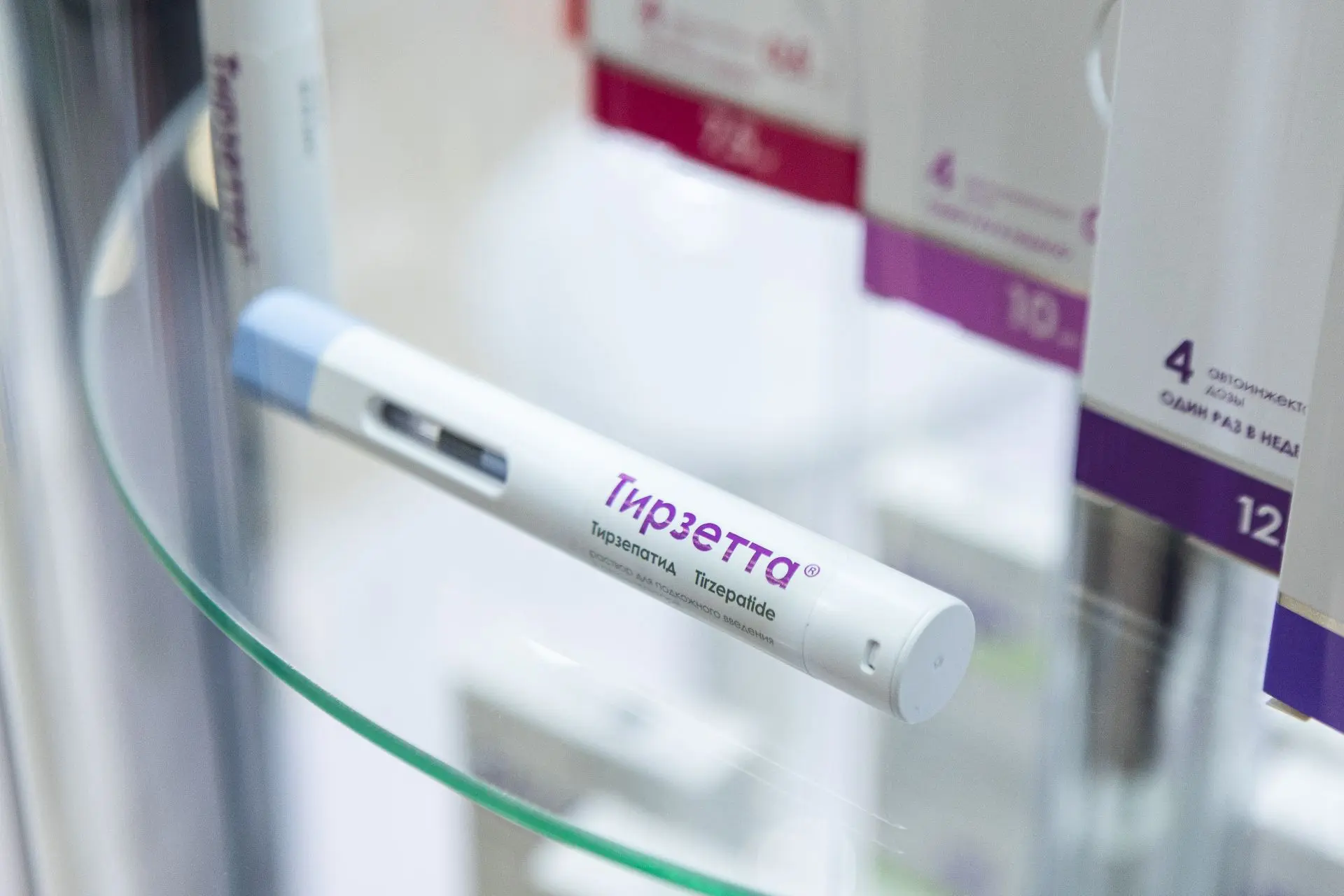
PROMOMED expands its portfolio of incretin drugs in Belarus
07.05.2024
Production
Medicines
Industry development
07.05.2024
It is difficult to imagine modern pharmaceuticals outside of a close alliance with the medical and scientific community. To give the patient the necessary drug therapy, the pharmaceutical industry needs to be able to hear both the doctor's voice and the researcher's opinion in time. After all, when it comes to health, the accuracy of the processes performed must be the highest.
The director of new products of the Promomed group of companies tells about how one of the most famous pharmaceutical industries in our country is organized and how its interaction with practical medicine and the scientific sector is developing Kira Zaslavskaya.
Kira Yakovlevna, Promomed celebrates its 20th anniversary in 2025. What achievements, in your opinion, have become the most important during such an impressive period of work?
— By now, our group has undergone significant changes: from a small company, it has become one of the main players in the national pharmaceutical market. Confidence in the future, passion and commitment to the chosen cause helped to achieve such results. After all, our task is to provide the healthcare system with innovative, high—tech, modern drugs for the treatment of socially significant diseases.
We were also one of the first to introduce in our country the practice of large-scale post-marketing studies of the effectiveness and safety of medicines (the so-called realworldevidence trials) in daily clinical work. Today, such a study is already a global trend.
For example, the PrimaVera All-Russian program organized by us has become the largest study in world endocrinology and has made it possible to formulate algorithms for rational pharmacotherapy for weight management and treatment of obesity. And the information obtained during the tests formed the basis for the creation of the innovative drug Reduxinforte, which helps to normalize body weight and restore proper metabolism in the patient's body, that is, to achieve the true goal of treatment.
Among the most important tasks is the development of innovative drugs, including biotechnological ones. Therefore, a modern R&D center was created – a whole complex of laboratories (located at our factory and in Moscow at the Technopolis Moscow site). It includes laboratories for the development of GLS (biotechnological and small molecule—based) and pharmaceutical substances, an analytical laboratory and a center for scaling and transfer, departments for medical research, registration, intellectual property protection and pharmacovigilance - in short, everything you need to create medicines.
For many years, we have been increasing our competencies in the field of development, clinical research, marketing, and commercial activities... And close cooperation with the medical and scientific community has helped to respond effectively to the challenges facing the national health service.
So, during the COVID–19 pandemic, the maximum efforts of our specialists were aimed at creating life-saving drugs. They did not quarantine themselves and worked around the clock to provide patients with the most effective medicines as soon as possible — from antiviral drugs (Areplivir and Esperavir) before hormones and antibiotics.
What do you think helped us survive the pandemic and other unstable periods?
— We have always perceived any crisis as an incentive to act, and in difficult times we realized the need to make every effort to achieve our goals. Providing the healthcare system and consistently implementing the chosen strategy have become key elements of the social mission of a responsible pharmaceutical manufacturer for us.
For example, in 2023, thanks to the results of many years of research in the field of endocrinology, in less than a year we were able to "resurrect" drugs from the GLP–1 agonist group that had disappeared from the market, which are vital for patients with diabetes mellitus. Moreover, Enligria (an analogue of Saxenda) and Quincenta (an analogue of Ozempika) were produced using a fundamentally different technology, which made it possible to improve their quality in comparison with their foreign predecessors.
Almost two decades of painstaking work have led to the fact that today the group not only exists, but also uses all the possibilities to create high-tech innovative medicines that are so necessary for the healthcare system.
In the year of its tenth anniversary, the group acquired the Biochemist plant. What results would you like to highlight in the work of this site?
— By today, Biochemist has become one of the most high—tech production facilities in the whole of Russia - it is here that advanced engineering solutions are implemented. For example, there is a unique workshop for the production of solid forms using fully automated contactless drug preparation technologies (when the production cycle is carried out according to specified parameters without human intervention).
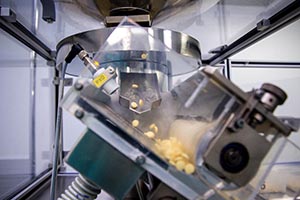
The plant operates in accordance with GMP standards and implements the concept of a full production cycle.: "from idea to molecule, from molecule to patient." It produces all the most popular dosage forms, as well as its own large-scale high-tech production of pharmaceutical and biotechnological substances (in fact, a "factory within a factory").
Which original drug developments can be called the most successful?
— We try to make every drug we release proud. Therefore, we are constantly working on improving the quality, improving the safety profile, and making it easier to use. We understand how important it is that the patient is not forced to abandon therapy due to side effects and can trust the chosen treatment. And we are sure that our medicines are really needed.
If we talk about specific names, we are consistently developing a portfolio of original drugs. In addition to the drugs that I have already mentioned (Reduxin Forte, diabetes therapies and a range of anti-covid drugs, including medications for hospitalized patients), a number of other developments deserve special attention. For example, the Brainmax neuroprotector has proven effective in the treatment of a wide range of neurological disorders, from stroke to cognitive impairment and post—cystic asthenia. And the biotechnological AmbeneBio is successfully used to treat chronic pain and restore joint health.
In addition, drugs based on RNA technologies became widely known during the pandemic. Today, this field is viewed in the world as the medicine of the future. And our portfolio already includes a double-stranded RNA—based drug for the treatment of infectious and inflammatory diseases, RadaminViro. This drug is a powerful inducer of three types of interferons — alpha, beta and gamma — and due to this it has a high activity in the fight against various infections and a pronounced anti-inflammatory effect. During the trials, efficacy in the treatment of acute respiratory viral infections, influenza, urogenital herpes and STIs was noted. And in a double-blind, placebo-controlled study, it was found that the use of the drug gives tangible results for the post-exposure prophylaxis of covid.
Today we are working on innovative drugs for the treatment of autoimmune and oncological diseases, as well as on means for antiretroviral therapy. These are complex chemical and biotechnological drugs that can dramatically change the prognosis of patients and give them the opportunity to live a full life for many years.
How are you developing the direction of antibacterial therapy?
— The Biochemist plant was originally built precisely so that microbiological synthesis of antibiotics would appear in our country. Of course, the impressive, but already outdated first reactors are not functioning now.: We have set up new production lines for the production of the latest generation of antibacterial agents — they are really necessary.
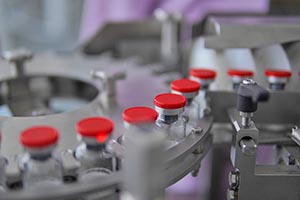
Unfortunately, we have all witnessed the horrors of the viral pandemic. But if this pandemic were bacterial, it would be many times more difficult to fight it. Cascades of equipment for scaling cultivation processes give us the opportunity to increase capacity very quickly and, if necessary, promptly meet the need for antibiotic therapy for our entire country.
The company is currently working on solving the global problem of antibiotic resistance. It is known that multidrug-resistant nosocomial infections are a significant cause of death in patients and it is necessary to protect people from such a threat. We are developing new medicines both in our R&D Center and, for example, jointly with Sirius University and other research institutes.
In your opinion, what should be the fruitful cooperation between the pharmaceutical industry and the scientific sphere, including research institutes and specialized universities?
— Advances in basic science allow us to understand the mechanisms of disease development and identify their true causes. This helps to choose the targets that need to be affected in order to interrupt the pathological processes. This approach ensures maximum effectiveness of treatment, and it is especially important when creating the most modern targeted cancer drugs that help achieve the desired therapeutic results without harming the entire body. This makes it possible to turn previously incurable diseases into chronic ones and thereby give patients the opportunity for a long, fulfilling life.
Cooperation with the Research Institute helps us identify areas of development and research, combine our technological and scientific competencies, as well as medical research experience to create new medicines. At the same time, Promomed's production capabilities and highly qualified specialists make it a reliable platform for scaling up and putting into circulation a number of drugs from those developments that are being created in the country's institutes. We are an industrial partner of a number of projects, such as the "Youth Laboratories" at the Mendeleev Russian Technical Technical University, Ogarev Mordovian State University, and others.
The most valuable resource of any enterprise is a person and a specialist. Therefore, our company attaches great importance to the development and support of its employees, and also actively cooperates with educational institutions in order to be able to attract talented specialists and the best students in their activities. The work of scientists who already have academic degrees and constantly interact with each other cannot be underestimated here.
We are working with universities, creating our own departments, postgraduate programs, target areas, training programs at colleges, and much more. It is important for us that young people want to work with us, but, of course, they have the required qualifications and the desire to improve them.
What do you consider the most important thing in the dialogue between the pharmaceutical industry and the medical community?
— For us, it started from the moment the company was founded, and we continue to work closely with representatives of the medical community. Our specialists are members of medical consortia, expert councils, etc. We cooperate with doctors, always publish the results of clinical trials, participate in most significant conferences, and respond to those issues that are highlighted by healthcare.
For example, we were able to create drugs for the treatment of those rare diseases that affect only a few people in our country. The specialists of the Scientific Center of Endocrinology had previously asked us about this. And the health and well-being of patients always comes first for us.
The results of our research have been published in the International Register of Clinical Trials and in well-known peer-reviewed journals. We are convinced that joint awareness and the opportunity to discuss research and clinical issues are necessary for the development of medical science.
Tell us about such an important area as our own production of pharmaceutical substances.
— True drug independence appears only when you can ensure all stages of drug production, be responsible for its quality, reduce the cost of the product, making it more accessible to patients. And only with the possibility of our own synthesis of substances, we can successfully create original drugs.
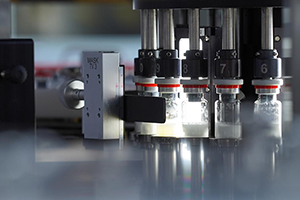
We have been working in this area for many years and have been engaged in various types of chemical and biotechnological synthesis for a long time. Realizing the scale that is necessary to realize the entire task of import substitution, the company decided to create one of the largest and most powerful factories for the production of substances. Today, it can produce more than 300 tons of substances per year.
What measures do you consider necessary to support the production of pharmaceutical substances in our country as a whole?
— At the moment, we are actively cooperating with enterprises of low-tonnage and medium-tonnage chemicals and jointly carry out those work processes that are aimed at deepening the degree of localization of API production. Government support measures aimed at creating a favorable legal and investment climate, developing the country's human resources potential and expanding cooperation between research institutes, educational institutions and the pharmaceutical industry are of crucial importance here.
The introduction of technological innovations to increase production capacity at all stages of drug development and research activities aimed at developing original drugs are also priorities. After all, pharmaceutical innovations are necessary for both the national healthcare and the export sector.
How do you assess the current situation in the domestic pharmaceutical industry, including the pharmaceutical market?
— Pharma is a very vulnerable area, since the structure of the national market is designed in such a way that most of the drugs in demand are still manufactured abroad. And in the usual sense, it is believed that the domestic industry is mainly engaged in the production of generic products. Pharmaceutical companies now have a big goal — to change this paradigm and bring the Russian pharmaceutical industry to a new level. As we can see from the number of drugs (both chemical and biotechnological) registered by us and our industry colleagues, a lot is really being done to achieve this goal.
In a fairly short period of time, issues with defecation of the most sought-after drugs are resolved. The professional community is doing a great job to ensure that our patients are not left without the necessary therapy, and, most importantly, to bring new opportunities to respond to existing challenges in the field of healthcare.
Kira Yakovlevna How did you come to the pharmaceutical industry? What is the most interesting thing for you in your chosen profession?
— Since childhood, I have loved medicine: I grew up in a family of doctors… I've always been fascinated by natural sciences, and that's why I decided to develop in this particular field. My big dream was to create a real medicine with my own hands. And this dream came true, it came true at Promomed, where I have been working for 15 years and have gained unique experience in various fields.
The pharmaceutical industry gives me the opportunity to be useful to many people and contribute to creating a healthy future not only for my loved ones, but also for society as a whole. I am sure that my work contributes to solving urgent problems and issues facing both our country and global healthcare. And this inspires and gives faith that you are doing the right thing.
A source: Moscow pharmacies
Get the most interesting news and publications first!
Sent successfully!
Press office
To request a press release or interview, please contact our press office