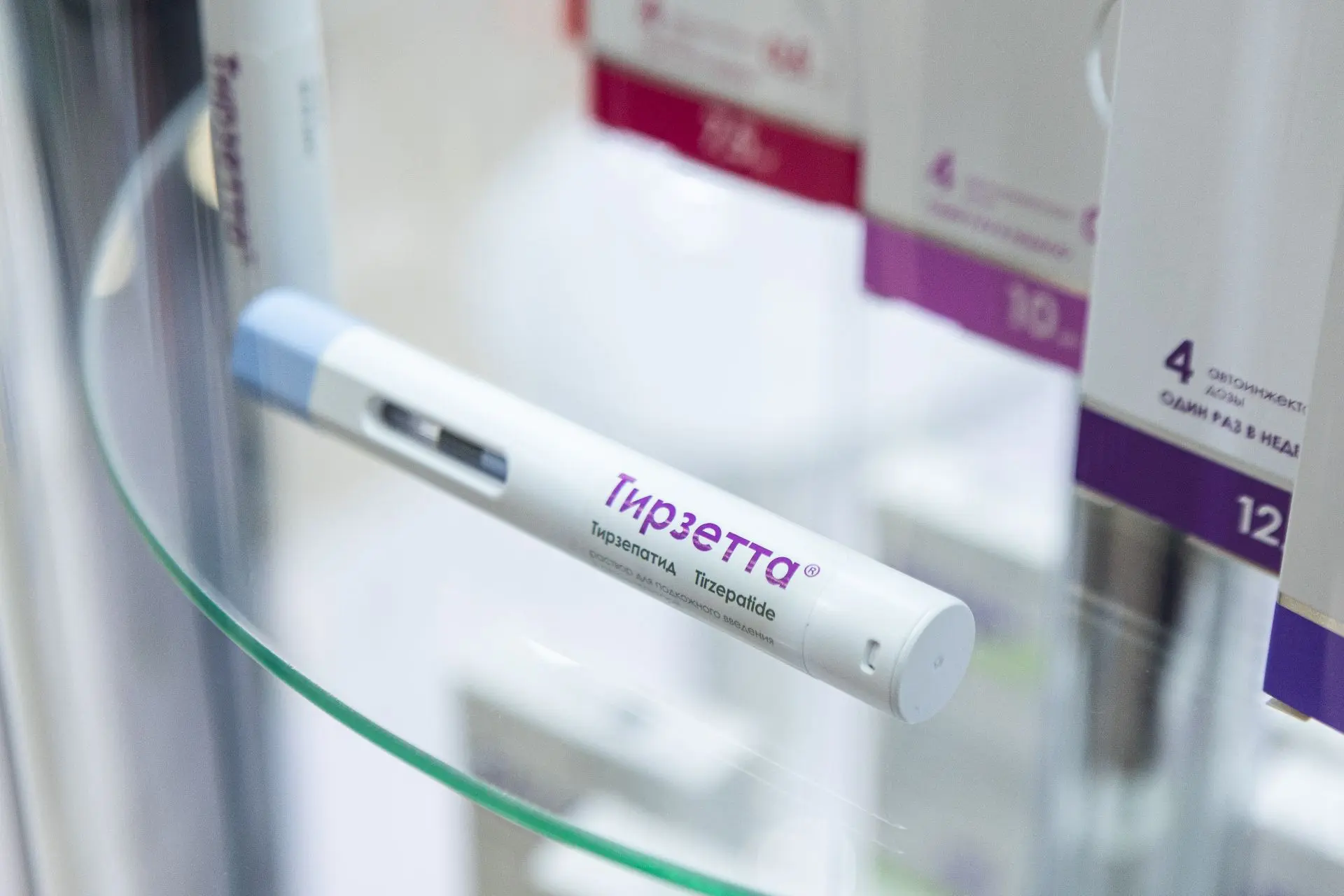
PROMOMED expands its portfolio of incretin drugs in Belarus
11.07.2024
Corporate
For investors
Production
Industry development
11.07.2024
Chairman of the Board of Directors of Promomed on innovative treatment methods and IPO
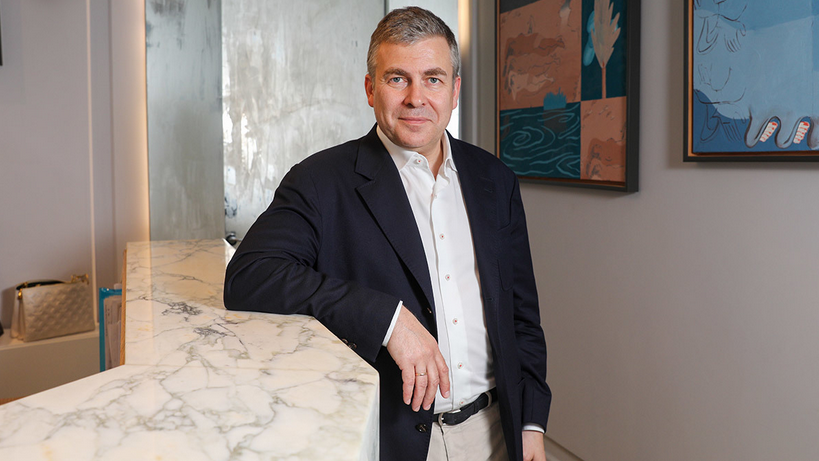
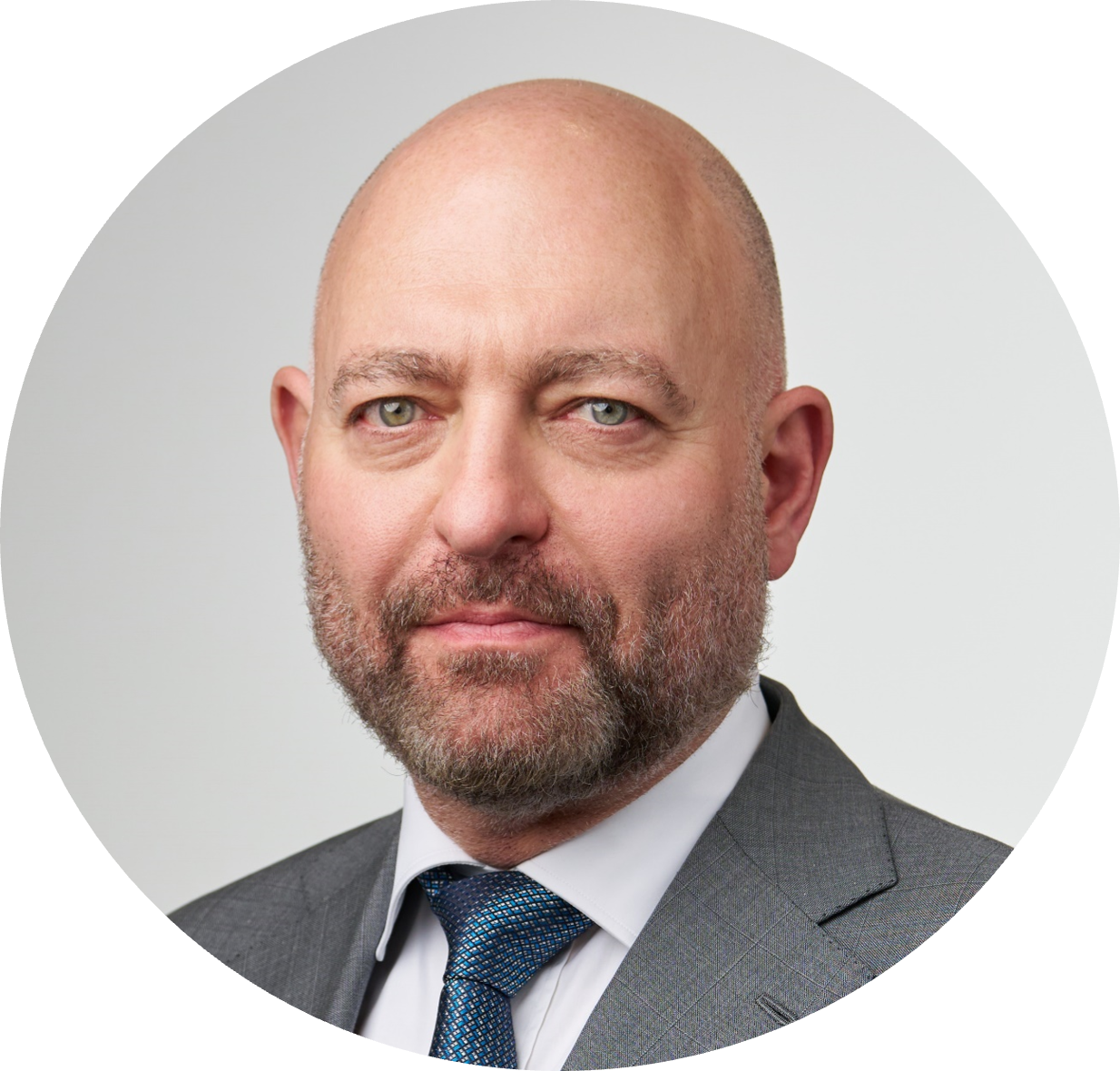
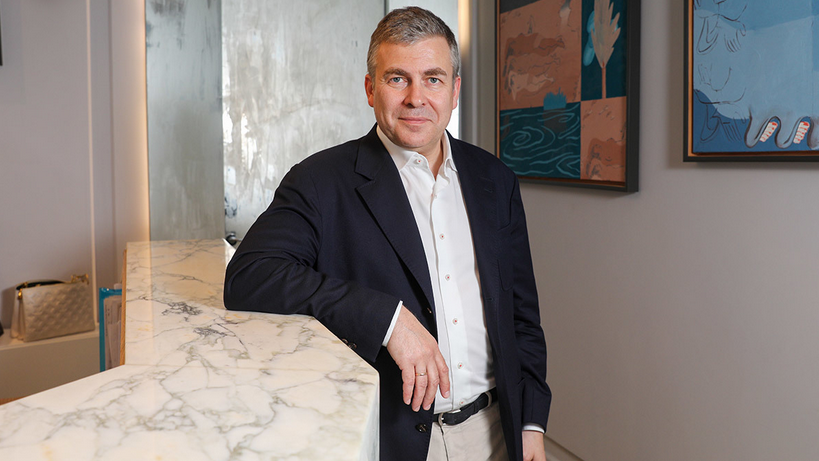
Peter Bely, Founder and Chairman of the Board of Directors of the Promomed biopharmaceutical company
/ Maxim Stulov / Vedomosti
The biopharmaceutical company Promomed is holding an IPO on the Moscow Stock Exchange from July 5 to July 11. The shareholders want to raise about 6 billion rubles. with the company's valuation in the range of 75-80 billion rubles. Peter Bely, founder and chairman of the Board of Directors of Promomed, told Vedomosti how the company would use the funds raised to increase the innovativeness of its drug portfolio.
– Pharmaceutical companies have long since left the Russian stock market. "The leak" conducted delisting in 2020, "Pharmstandard" – in 2017 What has changed since then and why is the industry returning to the stock exchange?
– You are comparing two different industries. At that time, pharmaceutical companies faced the task of creating a strong generic industry in the country. Domestic manufacturers had to make most of the drugs themselves, manage their cost and availability. The country has coped brilliantly with this. But now the industry's focus has shifted to the emergence and development of biopharmaceutical companies that can provide innovative solutions. Promomed is such a company. According to our strategy, the share of innovative drugs in our revenue should increase from 56% in 2023 to more than 70% by 2028.
– What do you mean by innovative solutions?
- This means that tomorrow we have to treat what is considered fatal today. For example, covid came and brought a huge number of health-related disasters. Deaths from a new infection, cognitive decline, including in young people, exacerbation and wider spread of autoimmune diseases, asthenia (a state of general weakness of the body) have entered our reality. - Vedomosti), which people could not cope with for weeks. But drugs appeared, and problematic conditions gave way to a normal life. How do we treat covid now? It's unpleasant, of course, but it's not scary anymore, figuratively speaking, we don't even stop going on business. The pandemic was an unexpected challenge, but it led to the emergence of important innovative solutions.
For existing longer-term problems, we also need revolutionary changes. And we see their creation as our mission. Therefore, we occupy a leading position in the country in conducting clinical trials - 85 for 2022-2023, according to the Association of Clinical Research Organizations. (Pharmsintez is in second place with 76 studies. - "Vedomosti"). Our investment volume over the past three years has amounted to about 4.5 billion rubles, or about 10% of revenue.
- And where are revolutions emerging now?
- First of all, it is the management of human weight and metabolic health. There is no faster way to massively improve people's health than weight correction. The use of innovative medicines to solve this problem can give patients an additional 10 years of life on average. Every few percent approaching the normal weight class. This reduces the risks of stroke, heart attack, diabetes, cancer, infertility, and impotence. Food is falling on us from everywhere, and there are no simple mechanisms that would force us to burn so many calories.
- How serious is this problem?
- We have been dealing with the problem of excess weight since the company was founded in 2005. If you want, increasing humanity "in size" is a non-communicable pandemic of the 21st century. According to the IQVIA consulting agency, obesity ranks first among the global pharmaceutical market segments in terms of current and future growth rates. According to the Ministry of Health, 16 million people in Russia are obese, according to WHO, there are almost three times as many, about 44 million. This is already a third of the adult population of the country. According to analysts' forecasts, global growth in 2024-2028 will be 24-27%, while in Russia the market will increase 13 times.
- Are there any other problems where revolutions are needed?
- Oncological diseases. According to IQVIA, the growth rate of this segment is in second place - 14-17% in the next five years. But if by 2028 the projected market volume for anti-obesity drugs is at the level of $74 billion, then for cancer - about $440 billion. Cancer is getting younger, spreading at a high rate and creating new nosologies (diseases. - "Vedomosti"). Cancer therapy is becoming more expensive. Cancer treatment depletes healthy body tissues, locking up all the nutrients in the metabolic chains. The same thing is happening economically. Oncological medicine drags all the healthcare money on itself. What do we need to do to stop this vicious circle? Cure cancer. We must cure cancer.
- It seems that I have been hearing about this duty of doctors and scientists since I was born.
Quite possibly. But the revolution is taking place only now, unnoticed by the general public. A class of drugs is emerging - targeted therapy and monoclonal antibody conjugates with chemotherapy (antibody drug conjugate), which, even in the case of aggressive cancers, will prolong a person's life by more than 10 years or create conditions for complete and long-term remission. And it is very important that these revolutionary medicines are available in our country. That's what we're doing. We already have a significant portfolio of drugs for the treatment of oncology. Starting in 2025, we plan to launch the latest generation of drugs annually, in particular for the treatment of lung cancer, in 2026 - prostate cancer and breast cancer, in 2028 - skin cancer and blood cancer, etc.
- So you are focused on solving problems in the fastest growing segments of the market - drugs against obesity and oncology?
- yes. The share of endocrinology in revenue for 2023 is 28%, oncology - 24%. Neurology is in third place with 10%. But we have several other areas that we traditionally focus on. For example, we are inspired by the idea of curing HIV. In the near and foreseeable future, we will talk about our new drugs that will radically change the situation with HIV. But our main goal is eradication. - Vedomosti) of the virus. Humanity has long coped with hepatitis C, and more recently we have coped with covid. Now, the next massive family of RNA viruses that needs to be defeated is HIV.
- Do you have any other interesting ideas?
- There is an ambitious idea to cure X's disease. Epidemics and pandemics of new viruses with new properties occur almost every five years or even more often. We have a huge base in order to react quickly even to something radically new. We still don't know what new surprise nature is creating for us in the form of a viral infection, but we are much more prepared than we were five years ago.
- Why should I believe you that you will be able to win so many victories over diseases in a few years?
- We really want this. And all that we have already listed is related to old problems. We have studied them well and are already developing solutions. We are just beginning to actively address new issues. Humanity now lives an average of 20 years longer. And we are living up to such medical problems that we simply did not know about before. We need to solve the old ones as soon as possible in order to deal with what is spreading now. As the population matures, the problems of the central nervous system come to the fore. These are Alzheimer's, Parkinson's, and age-related dementia. All diseases that are associated with the fact that the nervous system cannot cope with increasing stress.
- But returning to the question of faith...
- You know, in the pioneer camp we had a mass entertainer, a very cheerful guy with an accordion. The children loved him, and he played with them. Then the wind blew through him on the bus, he got pneumonia and died. Now that you hear this diagnosis, you won't even be nervous. You'll be on good pills and keep asking me questions. And how many diseases did people have because they had bad teeth? Now everything is somehow smooth, unnoticeable, and we have acquired good teeth. Due to this, the number of gastritis, stomach ulcers, intestinal diseases decreased, and the condition of the spine improved. Did you notice something abruptly? No. Or a stomach ulcer. When I was studying at the medical university, one of the methods of treating stomach ulcers was surgery. It's an emergency right now. If we have brought a person with an ulcer to a surgical operation, it means that we have overslept everything possible. All this means that the development of drugs for obesity, cancer and HIV is an inconspicuous but long process. And we didn't start doing it yesterday. And the results of our research show that we have succeeded in many ways.
- In your presentation to investors, you call yourself OpenAI in Russian biopharmaceuticals. What does it mean?
- We use artificial intelligence (AI) very extensively in our developments. McKinsey and PWC conducted research and showed that the use of AI significantly reduces the time required to prepare and market a drug and increase the success of development. We illustrate this very clearly with the example of the results of our molecular docking. In simple words, this is the answer to the question of how our medicine fits into the cells of the body. You see, the cell behaves like a lazy man who will always choose the easiest way to get a beer - the one that requires less energy from him. Accordingly, the less energy a cell spends on docking with our drug, the stronger and more selective this connection will be, and the better therapeutic effects we will receive. Now, when creating each of our drugs, we use specialized programs to optimize the structure of the molecule or even its location in space, calculating, among other things, how to minimize energy consumption for the cell in order to maximize the effectiveness of therapy.
- And how does this affect the business?
- We are optimizing pharmaceutical development and strategies for preclinical and clinical research. According to estimates by analytical agencies, AI reduces the development time by years and reduces the cost of creating a drug by 40%. How can a company grow multiple times? It's just innovation. If we can reduce the expectation of innovation from 10 to 5 years, then the company will make leaps. The expansion of the generic portfolio is always smooth, and innovation is always a growth spurt. Our main goal, of course, is to serve medicine, but we live in the real financial world. Therefore, like any private company, we must be financially efficient and attractive. And the efficiency of using capital in the pharmaceutical industry is directly increasing geometrically with the increase in the number of innovative drugs that we can bring to the market. Growth becomes a multiple if products are released at short intervals, in key areas, in prepared sales channels, and at the same time support each other's launch by forming portfolio proposals.
- And what can, on the contrary, pull you down?
- There have been registration errors in our history, but, fortunately, we have not experienced this with any of the strategic drugs. The factors that can negatively affect the market are more likely to be general economic or country-specific. It sometimes happens that a whole class of drugs has potentially dangerous properties. In this case, we either abandon some classes of therapy, or exclude groups of patients. In general, modern medicine is a very strong system, the key word of which is evidence-based and transparent.
- You focus on revolutionary developments, but what will happen to the portfolio of generics?
- We have social obligations. We cannot leave our patients and the healthcare system without affordable mass therapy. Therefore, of course, we will also produce generics.
- And expand the portfolio of generics?
- If necessary, of course, we will. Many drugs that are considered modern today may become generic in five years. It's just that our strategy is not about generics. Our strategy is to solve unsolvable problems and create multiple growth. We will maintain the portfolio of generics so that they are available and in abundance. But you can't spend a lot of money on generics. We need to invest in innovations to cure cancer and AIDS, neurodegenerative diseases and autoimmune diseases, etc.
- A question about your, perhaps, the most popular generic drug today, quincent, an analogue of ozempika. You launched it before the expiration of the Novo Nordisk patent. It seems to be a violation.
- Healthcare is an area where we always have two positions. Humanitarian, from the point of view of the presumption that human life is priceless. And legal - with permits, patents, and disputes. Ideally, these positions should coincide. But this is not always the case in life. What has Novo Nordisk done? She withdrew these drugs from the Russian market. We don't know for what reason - for political reasons or they didn't have enough production capacity. But the patients, who had been trained for many years to receive life-saving continuous-cycle therapy, were abandoned. Without any help tools. In an amicable way, they should have, for example, left a reserve for two years for patients in therapy and left as planned. Therefore, we considered it our duty to make Quincenta accessible to doctors and patients. We have a very strong legal position, in part because the technologies we developed to create quincenta are also innovative, and we were ready to discuss our position both in court and with colleagues. Fortunately, I didn't have to, because the government intervened and issued a "compulsory" license. If you work in government or work as a doctor, you are dealing with such a value as human health, and in this case you need to act quickly and decisively.
- But the doctor does not have capitalization and shareholders who react to risky decisions.
- The doctor has both capitalization and shareholders. Someone always pays for medicine - the state, the insurance company, the employer or the patient's family. Therefore, the doctor's actions are directly related to the economic effect. If a doctor did not have capitalization and financial responsibility, then there would not be a lot of judicial practice regarding medical decisions and mistakes. Therefore, if a pharmaceutical company in the form of a doctor is faced with a situation where life and health are at stake, then its actions must be unambiguous. If the court did not agree with our arguments, we were ready to take responsibility. But that's no reason not to save lives.
- Ozempik is incredibly popular not only among people with diabetes, but also those who wanted to lose weight extremely quickly. This is largely due to Novo Nordisk becoming a leader in capitalization in Europe. Did it influence your decision?
- The decision was influenced by the fact that quincenta is effective and has great potential to expand indications. And this is not the only anti-obesity drug that we have brought to the market. We also brought out enligria instead of saxenda.
- A question for you, as the only shareholder of Promomed so far: how much do you like to take risks in general?
- There was no risk in the case of Quintenta. Medicine is not an area where people take risks. Do you want a surgeon who will take risks with you during the operation? You don't want to. Here, adventurous strategies cannot be implemented for the sake of interest. Medicine, especially the development and production of medicines, is an evidence-based, very conservative science. Otherwise, take off your white coat and go work as anyone you want, for example, as a bookmaker.
Promomed is a full-cycle biopharmaceutical company engaged in the development, production and promotion of medicines. According to the IQVIA consulting company, Promomed is a leader in the production of drugs for the treatment of overweight and obesity, holds leading positions in the relevant segments of cancer drugs, neurology, antibiotics and drugs to fight infections, including HIV and viral hepatitis therapy, producing a total of more than 330 drugs. More than 80% of the medicines produced by the company are included in the state list of vital and essential medicines (VED). Promomed also produces the drug Quincenta, a domestic version of ozempika, one of the most well-known drugs effective in weight loss and treatment of diabetes mellitus.
In 2023, Promomed's revenue for the basic portfolio (excluding sales of drugs for the treatment of COVID-19) amounted to 14.2 billion rubles, twice as much as a year earlier. EBITDA increased by 7.8% to RUB 6.3 billion during this period. with a profitability of 40%. The company's net profit in 2023 decreased by 25% to RUB 3 billion as a result of the introduction of the windfall tax on profits for previous periods, as well as depreciation of intellectual property. The debt burden is at 2.55x. The company was founded in 2005. By Peter Bely, who is its sole owner.
- Have you had any legal conflicts in practice?
- of course. I believe that reviewing any situation in court is a normal practice. The court is a routine competition. The more objective decisions there are, the better. For example, we recently sued the Japanese company Eisai over a very important cancer drug. We said that there are a lot of errors in the patent, first technical, then factual. After a year and a half of the trial, the patent was partially revoked because it turned out that the errors were really significant. No one was offended. The court decided that. If the court had decided that we had overestimated the mistakes, we would have accepted it.
- So the legal processes do not affect the performance of your business?
- We have a large portfolio. Even if we discuss one or the other drug in the courts, our accountants reserve the possible costs of the decisions of these courts. This has no effect on the development of the company as a whole.
- Where do you manufacture pharmaceutical substances?
- We are a very large manufacturer of pharmaceutical substances. We make them using chemical, microbiological and biotechnological methods. Last year, Vladimir Putin took part in the opening ceremony of our newest workshop, and in fact the Biochemist plant. If there is such attention, it means that we are doing something nationwide. We have moved away from "substance slavery" and produce our own substances for all innovative drugs and key products. Therefore, I would reformulate your question in this way. It's not how many tons or grams of biological substance we've made, but how many innovative drugs we've created with their help. We currently have dozens of drugs in development based entirely on a 100% Russian-made substance.
- What innovative drugs do you already have in your portfolio?
- For example, reduxin forte not only helps to reduce weight, but also restores metabolic health. We have not only developed esperavir to get rid of covid quickly, but also brainmax, so that people with severe asthenia can return to active life faster after infection and regain cognitive functions. We have created radamine viro, a unique drug based on the most modern RNA technologies, which has a powerful therapeutic and preventive effect, including in the case of post-exposure prophylaxis of infectious diseases. We are developing the latest generation of drugs for the treatment of all types of obesity, and we will conduct research to switch people from insulin to weekly injections of peptide drugs.
- And if you take the entire portfolio, how many substances do you make yourself?
- It's impossible to do everything. We have more than 330 registered drugs. We can make more than 150 types of substances ourselves. Only the cheapest and end-of-life generics are not covered by our substances.
- Who are your clients?
- The normal strategy of a company is to have a balanced portfolio. That is, if about 50% are government purchases and about 50% are commercial contracts, then the company's portfolio looks stable. That's about what's happening here right now. Oncology, for example, is always a state history. People don't prescribe these medications for themselves or buy them at a pharmacy. But, for example, endocrinology, weight correction products or neurological drugs are mostly a commercial channel. The portfolio is also weighted in terms of sales channels. In covid, such a balanced approach has confirmed the stress tolerance of this business model. When people were unable to go to the pharmacy and sales in them decreased significantly, hospital sales, on the contrary, increased significantly.
- What are your export prospects?
- We have an entire export department. We supply products to the CIS countries, Vietnam and the Arabian Peninsula. We are now starting to explore Latin America. What is the key to exporting? You won't come to good countries with advanced economies with 350 generics. They have their own 350. You have to come and say, "Look, I'm treating something that hasn't been treated before." And that's where the doors open. For example, the latest antibiotics are in short supply in the world. As soon as you have the solution you need to save your life, the road to export builds up right in front of your eyes. Therefore, as we introduce more and more innovative drugs, export revenue will increase. Now it occupies about 10%. We want it to be about 15% in a couple of years.
- So you will go to foreign markets only with innovative drugs?
"That's right. The minimum is that the quality of therapeutic benefits in Russia should not be lower than in the world. The maximum is to create your own innovative drugs to shape this "world". Whatever the worst political restrictions, markets smaller than a billion people will be closed as a result. But there are still 7 billion people left in the population. The BRICS countries alone account for 3 billion people. The BRICS forum hosted a meeting of the heads of the BRICS Ministries of Health. They confirmed that every country has unmet medical needs, unmet medical needs. We want to harmonize this list for all these countries and create fast tracks for the world's fastest-growing economies so that breakthrough drugs can enter the market faster in terms of bureaucratic procedures.
- How important is reputation for a public pharmaceutical company?
- Reputation is always important. Reputational risk in our industry is associated with responsibility for the most valuable things, for people's lives and health. Therefore, wherever possible, we try to back up every step we take with research, evidence-based medicine tools, and self-validation. I think these are principles that go far beyond the concept of reputational risks to prevent their occurrence. That's probably why we haven't faced such risks.
- What does the competition look like in your industry?
- We compete in portfolios in endocrinology, oncology, and neurology. The more complex the product, the less competition there is. With biologics, we have two leading companies that started forming their portfolios before us. There are also many large companies among chemical manufacturers with whom it is interesting to compete. But very few people have such a combination of biotech and chemical technologies, so to speak, to fight with both hands, owning all the most modern technologies. I think this is our big competitive advantage right now.
- Is there such a risk that, for example, you have been developing medicines for many years and some company releases something like this a little earlier?
- There is always such a risk. But we are not fighting to be alone in the market. We want our innovative product to be the best in class. In general, even if we go out later, we have a better chance of making the products better.
- How did you decide to go for an IPO?
- We've been working towards this for 25 years. I've always admired people who create medicines. While I was studying at the medical university, it seemed to me that these are demigods who live somewhere in huge research institutes, bringing us these grains of substances that change our lives. And I never in my life could have imagined that such happiness would happen to me, and even on the scale that our team is currently working on. Now we are ready to open this market to a Russian investor and provide an opportunity to become part of the multi-fold growth of the biopharmaceutical industry and our business.
- Do you feel like a demigod?
- Now this activity has moved to the human level. But I realized that the new molecules themselves are useless until they have practical applications. Therefore, until the result of scientific development has passed through the crucible of clinical research, you cannot say that you have really invented something. Sometimes the maximum is a good publication. But the most burning interest is to change the life of a particular person. You can only get such satisfaction from your work by creating worlds in computer reality. Yesterday, a group of patients had one foot in intensive care, but today they are living peacefully. It's like creating a world for everyone, but in reality.
- Why are you going to the IPO and where will you spend the money?
- This is 100% cash-in. There is a special situation now. Since 2021, the number of clinical trials conducted in Russia by Bigpharma (as the largest international companies in the industry are called) has decreased by 20 times. - "Vedomosti"). In other words, new drugs from international industry giants are not coming to us and will not come in the coming years. This may lead to the fact that somewhere in the world in 3-5 years there will be a breakthrough treatment, for example, cancer. But we won't. At the same time, our company already has progressive solutions, and it would be strategically wrong to implement them consistently. Therefore, the funds raised will be used to accelerate research and create new drugs. According to our forecasts, investments in portfolio development in 2024-2025 will amount to 20-25% of revenue, and 10-15% in 2026. At the same time, revenue growth in 2024 should be more than 35%, in 2025 - 75-80%, in 2026 - 60-65%. This will be growth due to innovative drugs, for each of which there are clearly defined release dates and a clear strategy for entering the market.
- And why the IPO now?
- Drugs must be withdrawn all at the same time, using the "window of opportunity". Over the past three years, we have developed 121 medicines. And we are at such a point that waiting another couple of years to bring out the latest drugs consistently is criminal both in relation to patients waiting for therapy and in relation to the future of the company. We have come to the conclusion that full control over the company in the long term is less effective than admission to the capital of an external investor, which potentiates the multiple growth of the asset.
- As I understand it, your market is very fragmented.
Yes, for example, the largest share of one company in the entire market is just over 3%. For the entire market, you can top-level the shares of generics and original drugs, or domestic and foreign, but if you want to figure it out, you need to go into the markets of specific areas. We call these relevant markets. For us, these areas are endocrinology, oncology, neurology, and the infection control segment. We compete in portfolios and already occupy more than 20% in "our" markets. Consolidation processes will probably take place. It will be useful. And if we talk about Promomed in the context of M&A, then we are primarily interested in portfolios, products, brands, not production facilities. We already have industrial hardware.
- Are there any M&A targets now?
- Any growing company is constantly in the negotiation process. It is a rare case when organic growth makes it possible to achieve significant product coverage goals in the target therapeutic groups in the shortest possible time. We have an excellent development program, we understand how to grow. But if we see that purchases of certain assets can accelerate this growth, we carefully consider these options.
- In terms of consolidation, what do you predict the market will look like in a few years?
- I think that big companies will grow faster, after all, "the power is on the side of the big battalions." Due to the changes in recent years, the country will have to have an arsenal of domestic high-tech, state-of-the-art medicines in order to become a kind of "nuclear power" in biopharmaceuticals. We will probably come to the conclusion that the 10 largest companies with international expansion and innovative portfolios will occupy two thirds of the Russian market. And we will save lives with domestic medicines.
A source: Vedomosti
Sources
Get the most interesting news and publications first!
Sent successfully!
Press office
To request a press release or interview, please contact our press office