PROMOMED expands its portfolio of incretin drugs in Belarus
06.06.2024
For investors
Production
Medicines
Industry development
06.06.2024
Import substitution of medicines is one of the most important trends in the Russian pharmaceutical market in recent years. General Director of the biotech pharmaceutical company Promomed Alexander Yefremov He talks about which strategy may be advantageous in this situation and which drugs Promomed plans to develop in the near future.
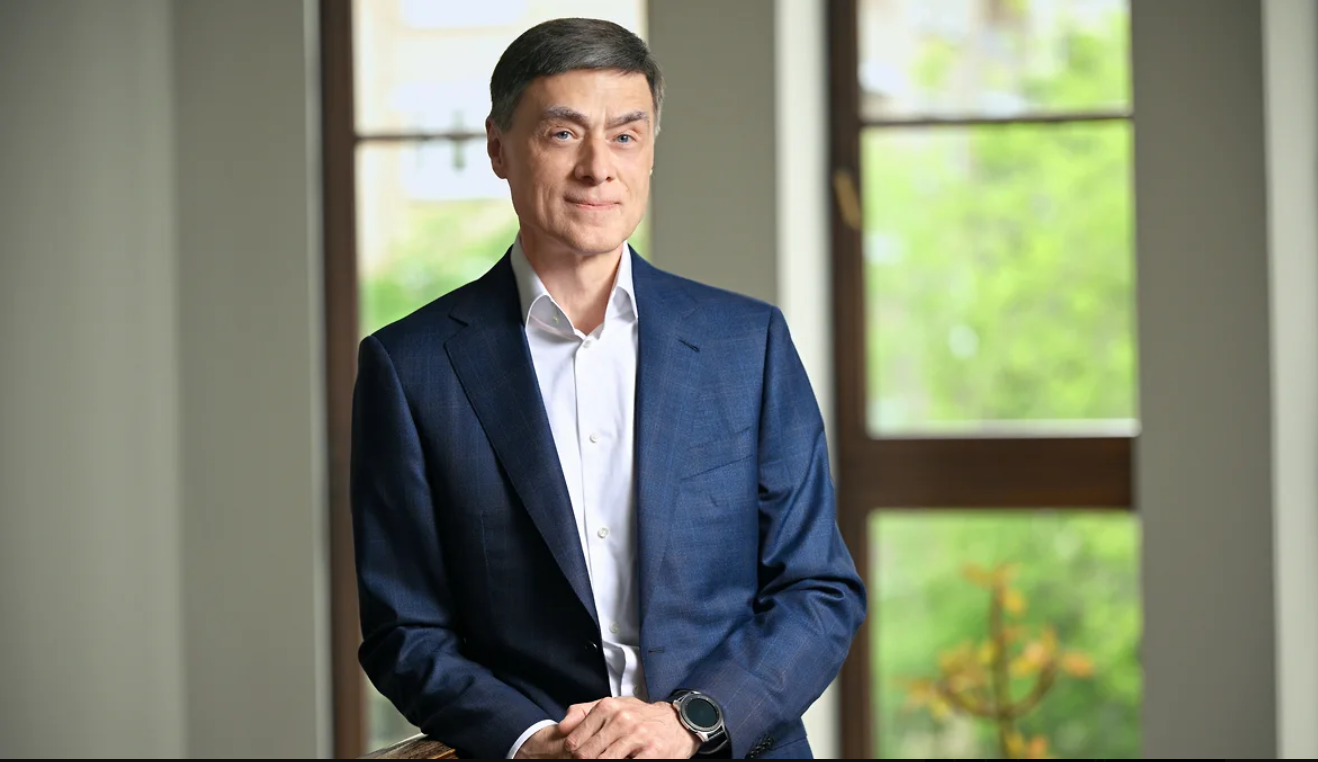
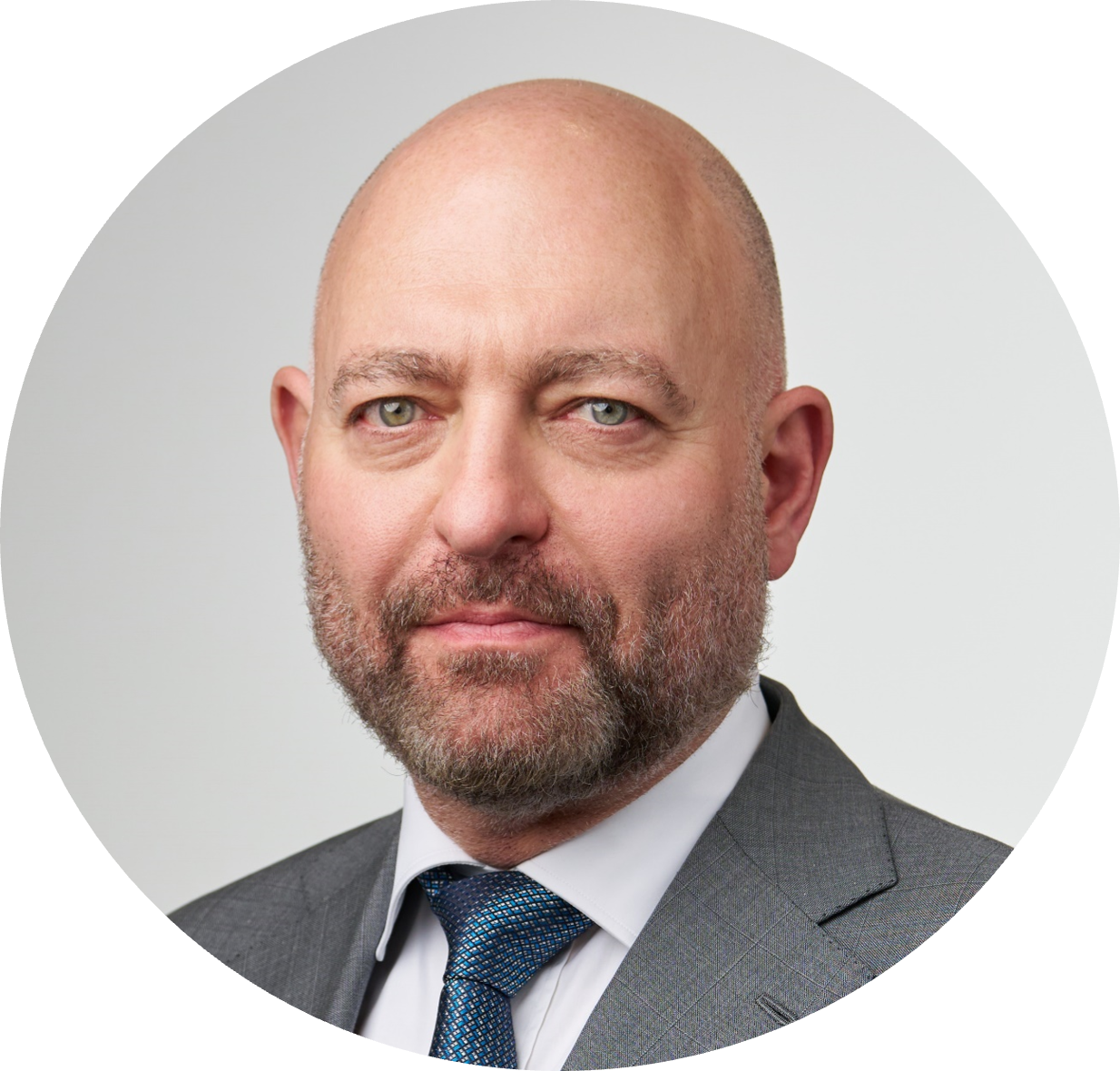
Alexander Yefremov, CEO of Promomed Biotech Pharmaceutical Company
Photo: Evgeny Razumny, Kommersant
— Since 2022, Western pharmaceutical companies have been gradually losing their positions in the Russian drug market. This opens up new opportunities for Russian enterprises to import a number of drugs. How does Promomed plan to develop its business in these conditions?
— I would like to note that Promomed, since its inception, has been focused on creating drugs that radically improve the quality of life, the effectiveness and safety of treatment, and the prognosis for recovery. All this time, we have been working hard to create a complete cycle in the chain "from idea to molecule — from molecule to patient." Thus, even before the coronavirus pandemic, the company focused on the development and production of innovative medicines, on the development of the most complex technological solutions. During the pandemic, this made it possible to launch mass production of an entire line of anti-covid drugs in the shortest possible time, which saved hundreds of thousands of lives. Therefore, by 2022, by the time many market players had just begun to analyze the rapidly changing situation, we had already acted.
Before our eyes, Promomed has transformed from a company that developed a portfolio of its own branded drugs into a company that independently manufactures active pharmaceutical substances, develops and launches innovative products, and is growing at a faster pace in those segments of the pharmaceutical market that respond to the demands of critical healthcare areas.
We are engaged in the medicine of the future, focused on breakthrough therapies where we can treat what has not been treated before, where we can permanently rid people of the disease, where we can treat it safer and more effectively than certain companies, domestic or foreign.
— How will this be possible?
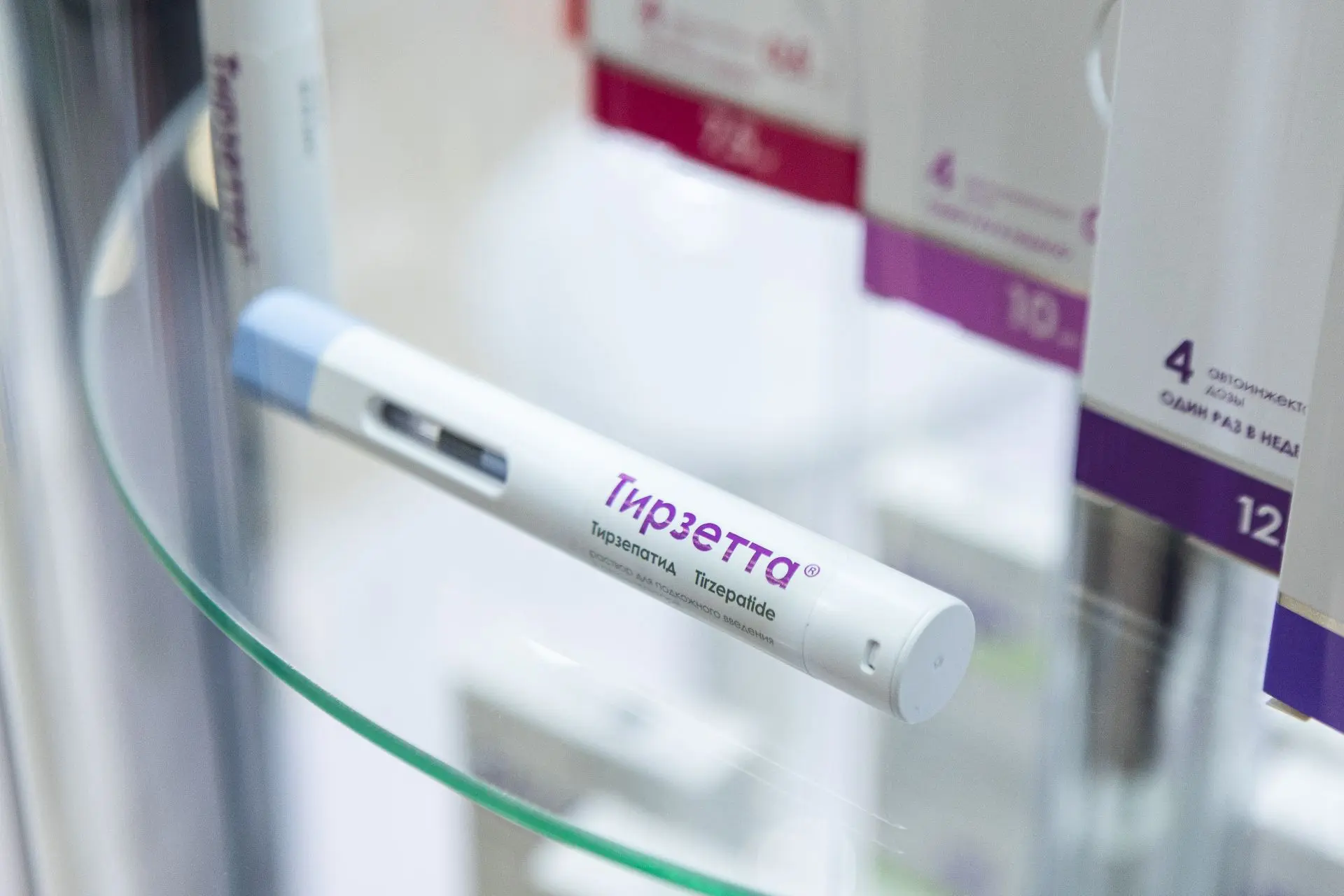
— Even if foreign companies have not left the Russian market, they are still in a state of uncertainty about whether they want to work in Russia for the long term. For two years now, they have not conducted clinical trials in our market in the same volumes as before. On the contrary, we are constantly investing in the development of new molecules, completing what we have started and entering into new medical research, and are currently the leader in the number of new molecule launches. Promomed currently has more than 150 drugs at various stages of biopharmaceutical and medical research and registration. We are the undisputed leader in the development of treatment for obesity, the non—communicable pandemic of our time. There are problems with the production of glutides in the global pharmaceutical industry today. The cost of the current leaders of the obesity drug market, American Eli Lilly and Danish Novo Nordisk, may reach $1 trillion in the near future. But it will be difficult for them to retain the first places in a promising and rapidly developing niche in our geography due to the lack of production facilities. Today, not every patient in Denmark can rely on glutides. We will not have such a problem in our country, the technologies and production facilities that we are actively developing allow us to meet demand, build leadership and expand our supply geography.
In addition, by 2027 we plan to release at least 40 new drugs for the treatment of oncological diseases. This is a natural result of our long-term serious investments in research, development, technology transfer, and our scientific and production capabilities.
Our R&D Hub is a complex of laboratories based at JSC Biochemik in Saransk, Republic of Mordovia, several laboratories and centers in Moscow, as well as laboratories in major scientific and technological centers of the country. This is our own technology transfer center, which allows us to quickly scale the drug production process from laboratory technology to industrial production. Thanks to this complex, the company has more than 20 innovative molecules in its development portfolio. According to our calculations, by 2032, revenue from our innovative molecules should account for more than 70% of the group's total revenue. By the way, our Biochemist plant produces one of the widest ranges of dosage forms in the country. It is clear that our strategy includes not only goals for the development and production of drugs. There are plans to invest in the development infrastructure, improve the operational efficiency of the group, promote products and, of course, invest in people — the main value of the company.
— What priorities would you identify in your drug portfolio?
— Promomed's portfolio includes more than 330 registered products that are in circulation in both segments of the pharmaceutical market, commercial and budget. Promomed is steadily increasing its biotechnological and chemical technology capabilities and is present in each of the top 10 largest pharmaceutical market categories, demonstrating outstripping growth in relevant market segments. The total volume of our relevant market in 2023 amounted to more than 2.4 trillion rubles with a tendency to further growth. Our drugs are used in the treatment of the most complex diseases such as oncology, diabetes, obesity, neurology, pain management, fight against infectious diseases, etc. These diseases account for more than 90% of the total size of the pharmaceutical market in the country.
— Some Russian companies in their strategies have relied on the creation of their own orphan disease drugs, which are very expensive, but are necessary for a relatively small group of patients. Do you plan to include such drugs in your portfolio?
— We plan to develop drugs for orphan diseases. This is also because studying the mechanisms of orphan diseases often allows us to better understand the nature of the human body, the processes that occur in it, and in parallel with the creation of such a drug allows researchers to improve or create molecules that will later be used to treat mass diseases. I think that we will start developing the original orphan drugs in the next five years, and in the near future, having the ability to synthesize our own substances and produce batches of various volumes, we will localize the technologies of some well-known drugs in this group.
— Do you have a HR strategy that supports the development of your business?
— Yes, absolutely. If we talk specifically about training for our scientific and technological departments, then we interact with almost all leading biotechnological and chemical technology educational institutions and departments in Russia. If we talk about our "blue—collar workers in white coats", employees who work directly in production, then we also have strategic partners here — these are two schools (we support chemical classes), two professional departments (one is "chemical", the second is "engineering") and departments of the Mordovian State University (biotechnological, chemical Technology, Fundamental and Applied Chemistry), located in Saransk.
We actively use the capabilities of artificial intelligence in our scientific and technological developments, and realizing the importance of artificial intelligence in pharmaceuticals, we initiated the opening of the Department of Medical Cybernetics at RosUniMeda. Students of this department solve complex problems of calculations and design of molecular structures already as part of their internship.
We are consistently and systematically working to ensure that new specialists come to us so that their flow does not stop. At the same time, we naturally motivate those who already work for the company.
— At the expense of what?
— I think it's primarily due to emotional attachment to a big common cause. And here our Chairman of the Board of Directors, Peter Bely, plays an important role. He is one of those rare leaders, inspiring leaders who value human communication and team camaraderie above all else. It cascades through the whole company. People come to the factory, people come to the workshop, laboratory — they are welcome. They join the team and begin to work in the name of an understandable big goal — to overcome human ailments. The young professionals who come to our company are attracted by innovative technologies and, of course, the opportunity to work together with artificial intelligence, which we actively use in the development of molecules. In turn, we encourage those who benefit the common cause, innovate, create new things, find solutions, and achieve results. We don't forget our veterans. We maintain the company's working relations with the city and the republic.
— And what gives you reason to expect a further increase in confidence in Russian medicines, even in the Russian Federation? After all, for many years it was imported drugs that both doctors and patients considered the most effective.
— I would not say that we are currently facing distrust from the medical community or consumers. Rather, I would call it interested curiosity, and perhaps with hints of some skepticism among the so-called late adopters. It is clear that in the 1990s, when the pharmaceutical industry in the Russian Federation was in decline, Russian medicines could lose out to foreign technologies and bright packaging. But since then, we have moved far ahead, and in some cases even overtaken foreign companies. Believe me, I saw the workshops of their European factories when I worked for foreign companies myself. Their factories have aged by 30 years, and we, thanks to our foreign auditors and critics, are now building better. In addition, we have already acquired enough experience from foreign manufacturers and now we can offer modern competitive products that are not inferior in quality and safety profile.
We monitor the quality of our clinical trials in accordance with international standards. We control the quality of our production at all its stages. We talk about our medicines, show how they work, track the fate of our drugs, and trust in us grows year after year. Now our new products no longer cause as many clarifying questions about quality as the drugs with which we first entered the market more than a decade ago. And we cannot influence the remaining 5% of "consistent skeptics", but for modern Russian companies they will always remain in the minority.
A source: Kommersant
Sources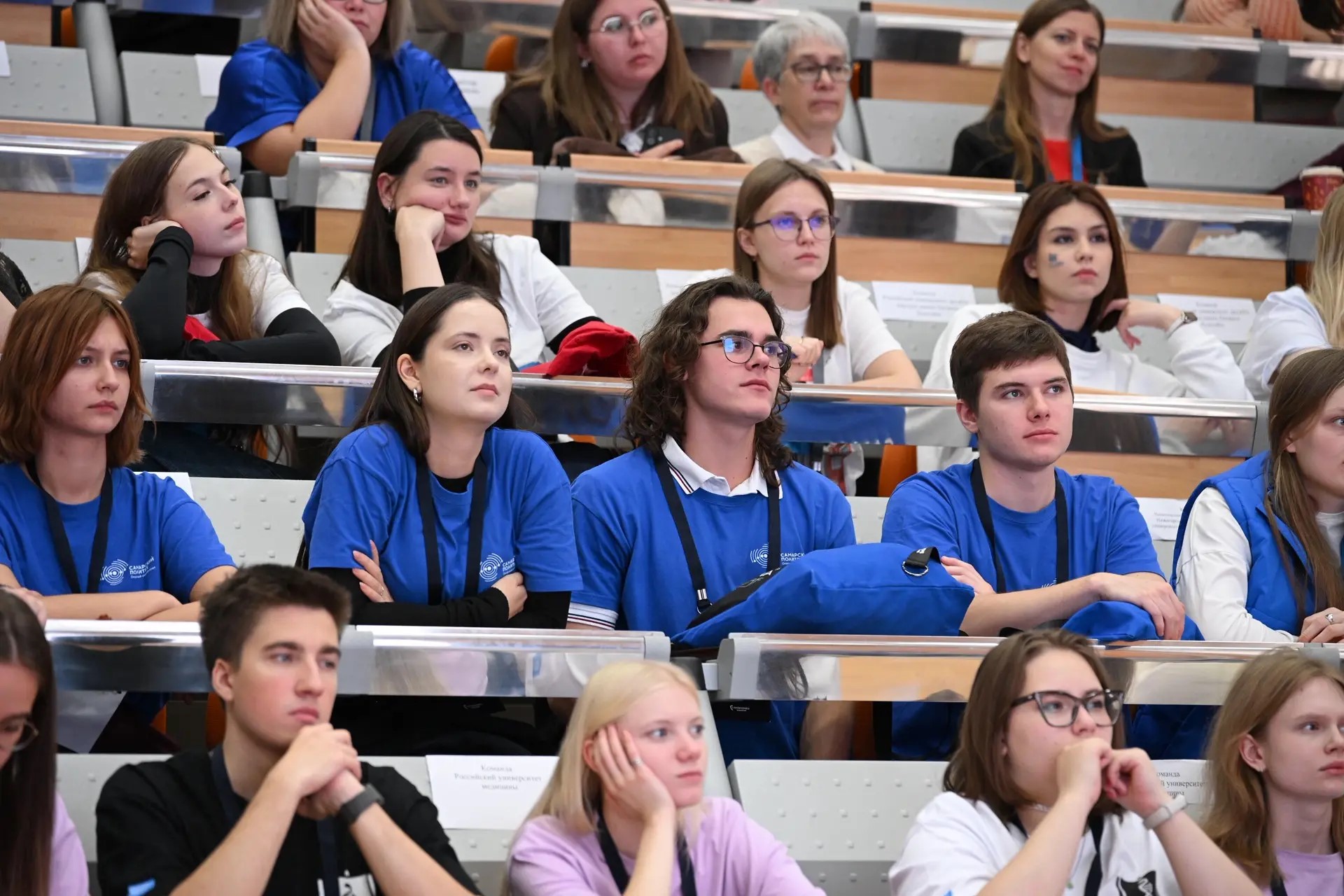
Get the most interesting news and publications first!
Sent successfully!
Press office
To request a press release or interview, please contact our press office