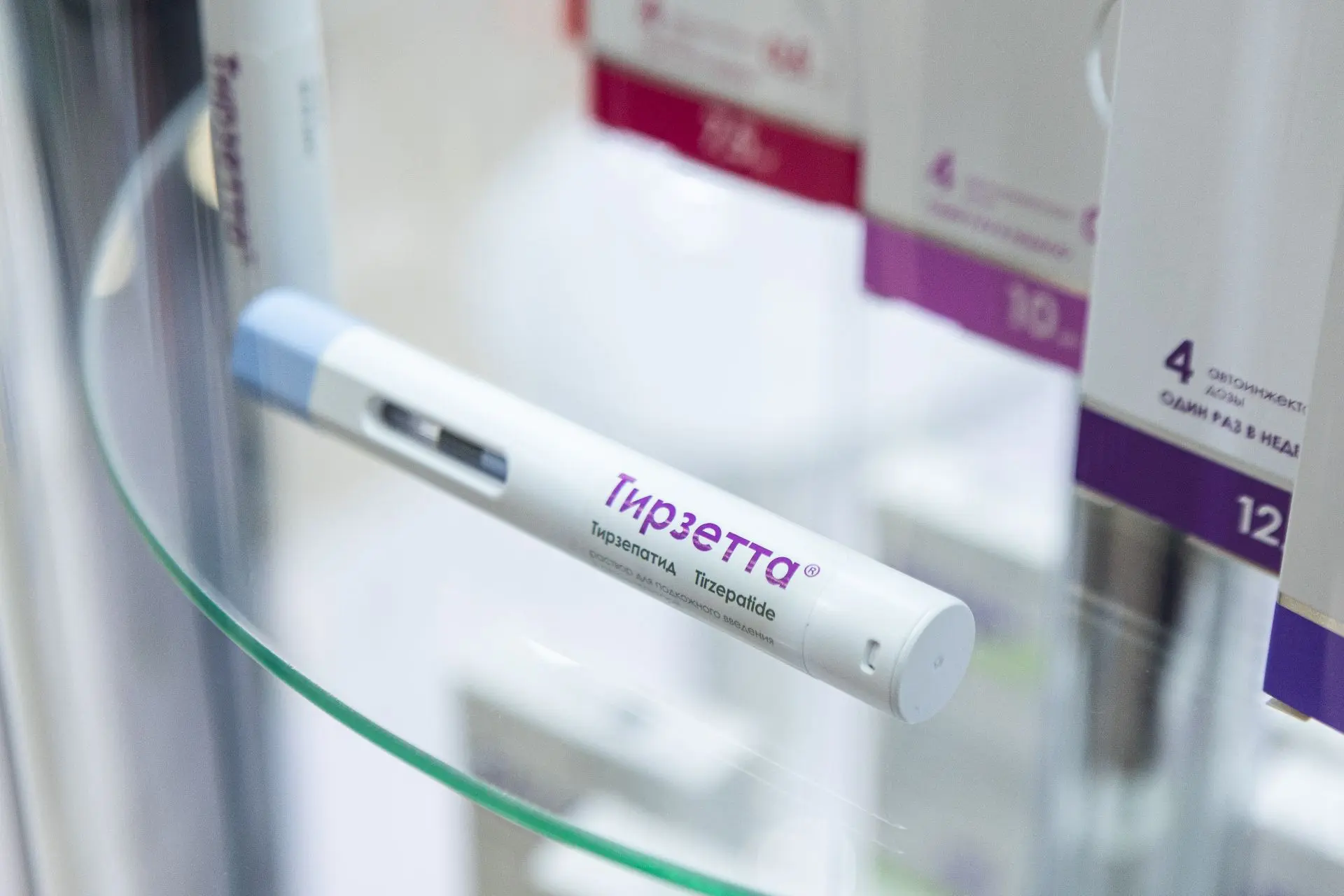
PROMOMED expands its portfolio of incretin drugs in Belarus
06.09.2024
Corporate
For investors
Production
Medicines
Industry development
06.09.2024
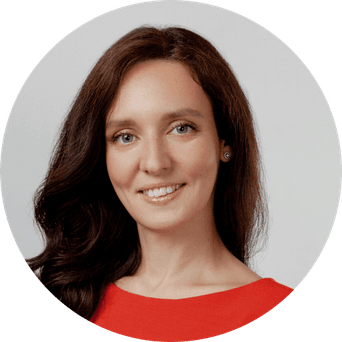
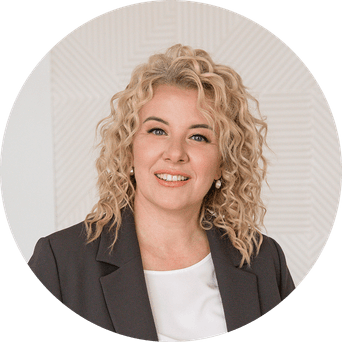
Kira Zaslavskaya, Director of New Products at Promomed
The director of new products at Promomed Pharmaceutical company told Kommersant about why the issue of exclusively generic drugs does not solve the problem with import substitution of medicines Kira Zaslavskaya.
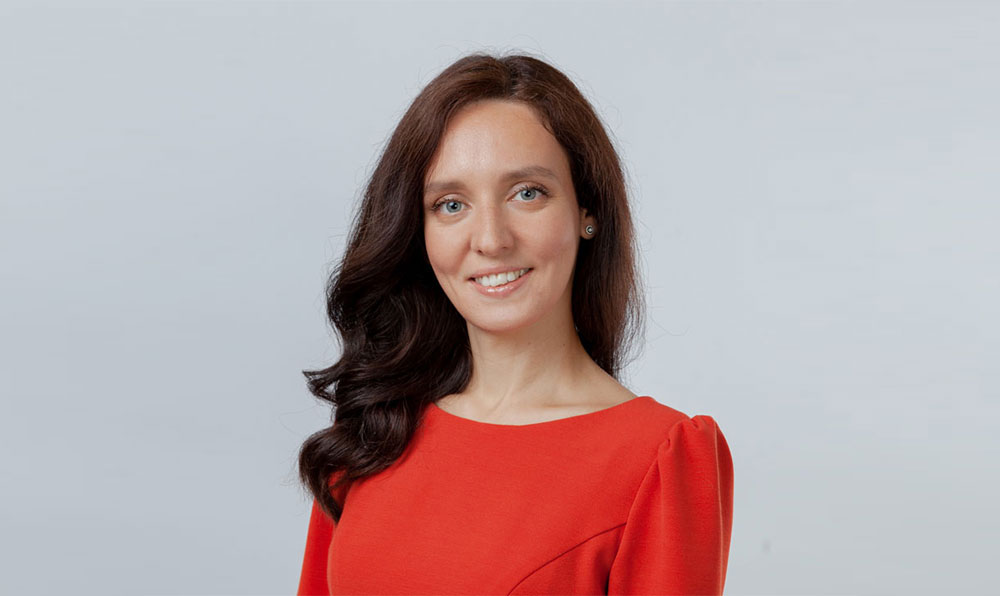
Kira Zaslavskaya
Photo: Provided by Promomed
— In 2024, Promomed registered several analogues of drugs at once, including those under patent protection. Why did you take such a step?
— The priority of the Promomed Group of companies is to take care of the health of patients. At the same time, Promomed complies with applicable laws, including those relating to the intellectual property rights of third parties. We carefully study these issues and do not believe that we are violating anyone's valid patent rights. And the judicial practice in which our company participates confirms this fact.
— But because Promomed introduced an analogue of rivaroxaban, an antithrombotic drug, the owner of the patent for the drug Bayer filed a lawsuit against your company?
— But, as you can see, the court refused Bayer interim measures. In the absence of a court decision, it is generally incorrect to talk about any violation of the rights of third parties.
— Does Promomed participate in the "Products on the Shelf" program developed by the Ministry of Industry and Trade, which provides for the development of analogues in case original drugs are withdrawn from the Russian market?
— We are working on import substitution, we are ready to provide a range of drugs for the treatment of socially significant diseases. But I would like to emphasize that the "Products on the shelf" mechanism is interesting for companies specializing only in the production of generics. But we believe that true import substitution is related to innovative solutions. This is what Promomed focuses on in the development and development of the company.
— Are the analogues you have developed also related to the introduction of innovations?
— Yes, of course. We do not manufacture copies. For example, our semaglutide-based Quincenta is not a copy of a foreign drug. We have developed our own technology and brought to the market a drug with improved quality and safety parameters.
— Do you protect your developments with patents?
— The company has implemented a patent protection strategy. We either obtain patents or, in some cases, decide to protect our developments in the know-how mode. It is important to understand that patents become publicly available after the expiration of patent protection, but know-how does not, these are technological secrets of the company that remain with it forever.
— Promomed is one of the few companies that have received government approval to produce a generic patent—protected drug. It's just about "Ozempika". Are you in contact with Novo Nordisk, the owner of the original product? Are you paying compensation?
— We have approached Novo Nordisk with a proposal to pay her royalties, but so far there has been no response.
— Do you think the authorities can increase the number of compulsory licenses for drugs from, say, the list of vital drugs?
— Compulsory license is a global practice. The "champion" in applying this measure is the United States, where the judicial system is much more developed, they have long been accustomed to this rule, and these cases no longer attract public attention. This practice is only developing in our country, so everything looks unusual. At the same time, in each country, the algorithm for applying this rule is always subordinated to the interests of society and the state.
Sources
Get the most interesting news and publications first!
Sent successfully!
Press office
To request a press release or interview, please contact our press office