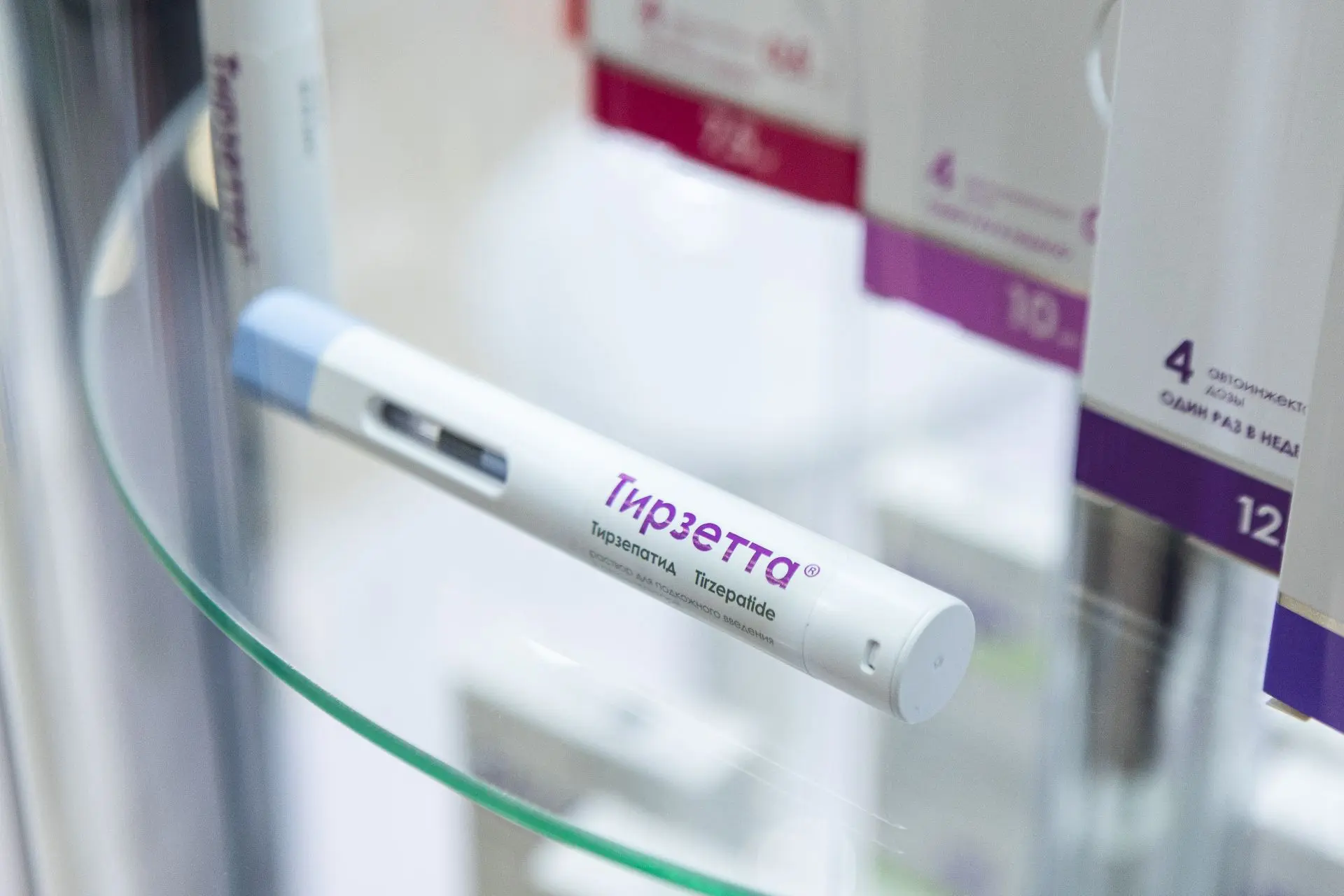
PROMOMED expands its portfolio of incretin drugs in Belarus
12.07.2021
Industry development
12.07.2021
An expert council was held under the auspices of the Consortium of the Academic Community for the Study of Coronavirus Infection and the Russian Scientific Medical Society of Internists (RNMOT), whose participants adopted a resolution defining the place of etiotropic therapy in the treatment of patients with a new coronavirus infection, depending on the severity of the course and timing of medical treatment and the pharmacological validity of the use of favipiravir in the treatment of COVID-19 patients. flu and other diseases caused by RNA viruses.
The purpose of the event was to determine the place of etiotropic therapy in the treatment of patients with the new coronavirus infection, depending on the severity of the course and timing of medical treatment and the pharmacological validity of the use of favipiravir in the treatment of patients with COVID-19, influenza and other diseases caused by RNA viruses.
The expert council was attended by 18 people (9 in person, 9 online): 7 members of the Russian Academy of Sciences, 10 professors, 1 Candidate of Medical Sciences (see Appendix). Based on the results of the scientific reports listened to during the meeting and the discussion, the experts came to a consensus that included 7 key provisions.
1. Currently, COVID-19 continues to pose a serious threat to human health and life. The incidence of the new coronavirus infection remains high, while the rate of vaccination remains insufficient in most countries, its long-term consequences have not been assessed, and a number of issues related to the impact of SARS-CoV-2 infection on various human body systems and the consequences of the disease remain unresolved.
Some RNA-containing viruses, such as influenza viruses, occupy leading positions in morbidity and mortality worldwide due to the high rate of spontaneous mutations, which reduces the effectiveness of specific prevention and therapy methods developed or under development. These data suggest the need to include highly effective etiotropic therapies in the treatment arsenal, which have universal action against RNA viruses, regardless of the variability of the strains. Additional properties of the drugs should be compatibility with the means of pathogenetic and symptomatic therapy and a positive benefit‒risk ratio.
2. SARS-CoV-2 has maximum tropicity to upper respiratory tract epithelial cells and type II alveolocytes in the lungs, where its most active replication occurs.
Clinical symptoms and data from pathomorphological studies confirm that, in addition, the virus actively affects the vascular endothelium and other cells containing type 2 angiotensin converting enzyme (ACE 2) receptors; this causes multiorgan lesions (microangiopathies, thrombosis, disseminated intravascular coagulation in the vessels of the kidneys and lungs, myocarditis, pericarditis, neurological disorders, organ damage gastrointestinal tract, kidney damage). Postcovoid complications are often observed, associated with both the infectious disease itself and the consequences of polypragmasia and including various lesions of organs and body systems (cognitive impairment, pseudomembranous colitis, arrhythmia, increased blood pressure, asthenia, etc.), exacerbation of chronic diseases, psychological problems. Rapid and timely elimination of coronavirus is necessary to reduce the risk of developing multiorgan lesions, complicated course of the disease and long-term consequences.
3. Early initiation of targeted antiviral therapy is necessary to prevent the progression of virus-induced pathogenesis links that determine an unfavorable prognosis of the disease with the development of cytokine imbalance and acute respiratory distress syndrome.
At the same time, taking into account the long-term persistence of the virus in the body of some patients and its discussed ability to reactivate, it is necessary to ensure the complete destruction of the coronavirus in any period of the disease, which determines the expediency of antiviral therapy not only in the early but also late stages of the disease, both in outpatient patients and in hospital settings. This issue needs further study.
4. Targeting virus-specific structural and non-structural proteins, as well as viral proteases, molecular targeted therapy is an essential approach to the development of new antiviral drugs.
Of particular interest as a target for suppressing viral replication is the RNA-dependent RNA polymerase, which ensures the reproduction of the main pathogens of respiratory viral infections, which allows it to be considered a universal target for antiviral drugs. At the same time, its absence in animal and human cells determines the safety of clinical use of a potential drug in patients without contraindications.
5. Currently, international experience has been gained in the use of the selective inhibitor of RNA-dependent RNA polymerase favipiravir in the treatment of diseases caused by RNA-containing viruses.
Data on the mechanism of action, pharmacological effects, pharmacokinetics, and studies of the toxicity and safety profile of the drug as a whole allow us to consider it as one of the most promising potential drugs for the treatment of new coronavirus infection.
6. Data from international and Russian studies, in particular, the results of an open randomized multicenter comparative study of the efficacy and safety of the drug Areplivir (favipiravir) in patients with COVID-19 (No. FAV052020), it has been shown that the effectiveness of its use exceeds standard therapy in terms of achieving clinical (rate and frequency of improvement of clinical status according to the WHO scale) and surrogate (virus elimination, improvement of well-being, speed of recovery, the need for artificial ventilation or noninvasive ventilation) endpoints regardless of the age of the patients and the presence of comorbid conditions, which are risk factors for the development of a severe course of the disease.
The therapy is characterized by a favorable safety profile. Further studies of the efficacy and safety of favipiravir are needed to determine the factors hindering therapy and the appropriateness of its use, depending on the time of onset and severity of the disease. The development of an injectable form of favipiravir, on the one hand, will be more convenient for use in hospitalized patients, and on the other hand, it may increase the effectiveness of therapy. This issue also requires additional study.
7. Based on the targeted effect of favipiravir in inhibiting the replication of RNA viruses and the available literature data on the experience of its use, drugs based on it can be considered as a potential molecular targeted therapy in the context of the development of new effective drugs with a wide range of antiviral activity to combat various viral diseases (including influenza and others Acute respiratory viral infections, seasonal coronavirus and enterovirus infections) after conducting appropriate clinical trials.
The resolution was approved and adopted unanimously by an open vote of the members of the Expert Council on 04/26/2021.
The composition of the Expert Council: T.V. Adasheva, Professor of the Department of Polyclinic Therapy, Moscow State Medical and Dental University named after A. I. Evdokimov, Ministry of Health of the Russian Federation, Member of the Presidium of the Russian Academy of Medical Sciences
G. P. Arutyunov, Corresponding Member of the Russian Academy of Sciences, Professor, Head of the Department of Propaedeutics of Internal Diseases and Radiation Diagnostics of the Pirogov Russian National Research Medical University of the Ministry of Health of the Russian Federation, President of the Eurasian Society of Therapists, Vice-President of the Russian Medical Institute
L.A. Balykova, Corresponding Member of the Russian Academy of Sciences, Professor, Director of the Medical Institute, Head of the Department of Pediatrics, Ogarev Mordovian State University
L.Z. Bolieva, Professor, Chief freelance Specialist of the Ministry of Health of North Ossetia, Head of the Department of Clinical Pharmacology of the North Ossetian State Medical Academy of the Ministry of Health of the Russian Federation
V.M. Govorun, Academician of the Russian Academy of Sciences, Director of the Federal Research and Clinical Center for Physico-Chemical Medicine, FMBA of Russia
A.V. Gorelov, Corresponding Member of the Russian Academy of Sciences, Professor, Chairman of the Board of the National Scientific Society of Infectious Diseases
A.V. Devyatkin, Professor of the Department of Family Medicine with courses in Clinical Laboratory Diagnostics, Psychiatry and Psychotherapy, Central State Medical Academy of the Presidential Administration of the Russian Federation, Scientific Director for Infectious Diseases, Central Clinical Hospital with Polyclinic of the Presidential Administration of the Russian Federation
E.V. Yesaulenko, Professor, Head of the Department of Infectious Diseases of Adults and Epidemiology, St. Petersburg State Pediatric Medical University, Ministry of Health of the Russian Federation
M.V. Zhuravleva, Professor, Deputy Director of the Center for Clinical Pharmacology of the Federal State Budgetary Institution "Scientific Center for Expertise of Medical Devices" of the Ministry of Health of the Russian Federation
A.A. Zaitsev, Professor, Chief Pulmonologist of the Russian Ministry of Defense
E.A. Klimova, Professor of the Department of Infectious Diseases and Epidemiology, Moscow State Medical and Dental University named after A.I. Evdokimov, Ministry of Health of the Russian Federation
E.Y. Malinnikova, Professor, Head of the Department of Virology, Russian Medical Academy of Continuing Professional Education, Ministry of Health of the Russian Federation
A.G. Malyavin, Professor of the Department of Phthisiology and Pulmonology, Moscow State Medical and Dental University named after A.I. Evdokimov, Ministry of Health of the Russian Federation, Director General of the Center for Respiratory Medicine, Chief Freelance Pulmonologist of the Ministry of Health of the Russian Federation for the Central Federal District, Secretary General of the Russian National Research Medical Center
A.I. Martynov, Academician of the Russian Academy of Sciences, Professor of the Department of Internal Diseases No. 1 of the Faculty of Medicine of the Moscow State Medical and Dental University named after A.I. Evdokimov of the Ministry of Health of the Russian Federation, Honored Scientist of the Russian Federation, Honored Physician of the Russian Federation, President of the Russian National Research Medical Center
Dmitry Pushkar, Academician of the Russian Academy of Sciences, Professor, Head of the Department of Urology, Moscow State Medical and Dental University named after A.I. Evdokimov, Ministry of Health of the Russian Federation, member of the academic consortium of the Academic Community for the study of COVID-19, Chief freelance urologist of the Ministry of Health of the Russian Federation
S.V. Smetanina, Ph.D., Chief Physician of the Infectious Clinical Hospital No. 1 of the Moscow Department of Health, Chief Freelance Specialist in Infectious Diseases of the Moscow Department of Health
L.V. Tarasova, Professor, Head of the Department of Faculty and Hospital Therapy, Rector of the Institute of Advanced Medical Education of the I.N. Ulyanov Chuvash State University, member of the Presidium of the Russian Academy of Medical Sciences
N.D. Yushchuk, Academician of the Russian Academy of Sciences, Professor, Head of the Department of Infectious Diseases and Epidemiology, President of the Moscow State Medical and Dental University named after A. I. Evdokimov, Ministry of Health of the Russian Federation

Get the most interesting news and publications first!
Sent successfully!

Press office
To request a press release or interview, please contact our press office