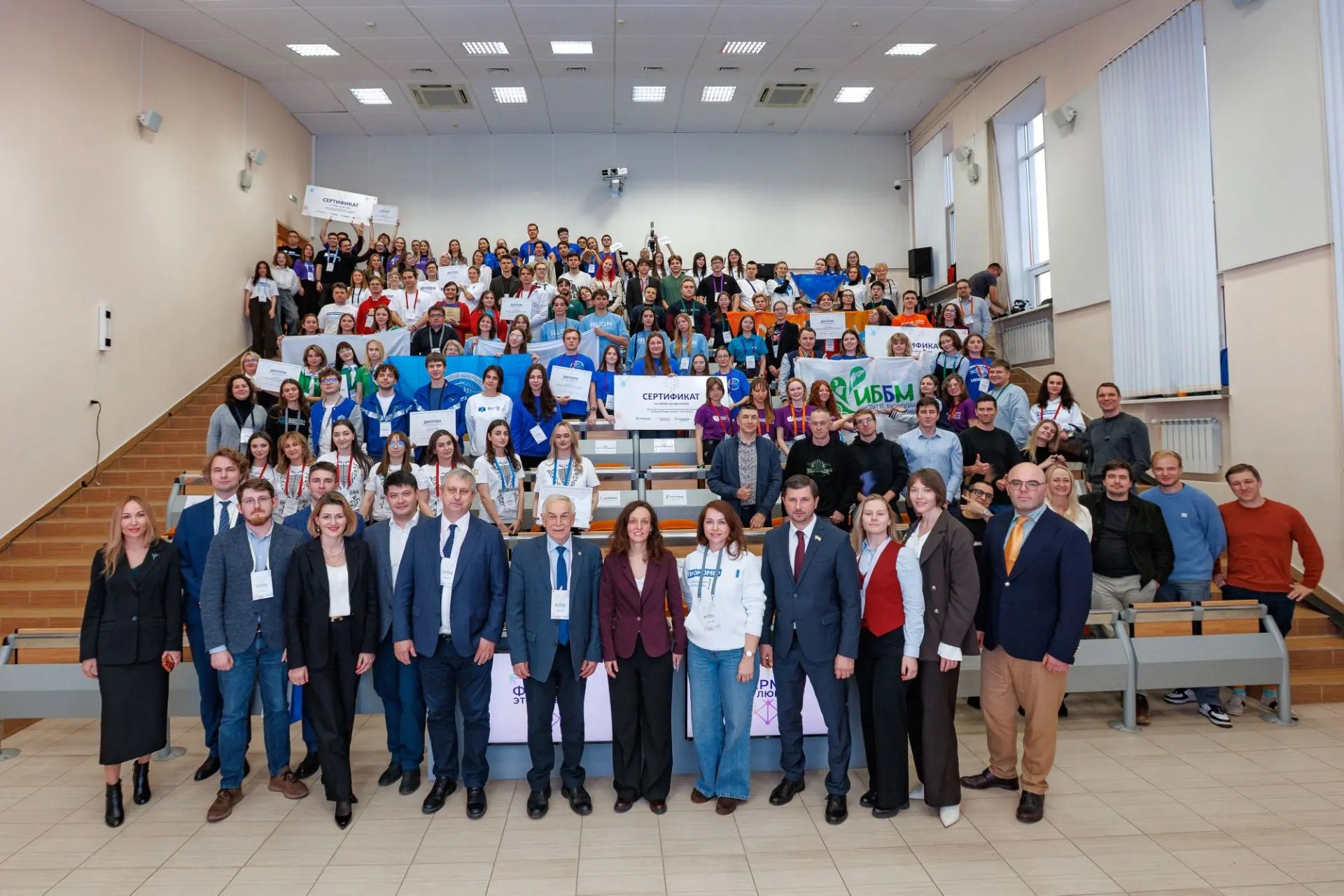
The All—Russian Festival of Young Scientists "Pharma is Love" has ended in Saransk
26.07.2023
Corporate
Production
Industry development
26.07.2023
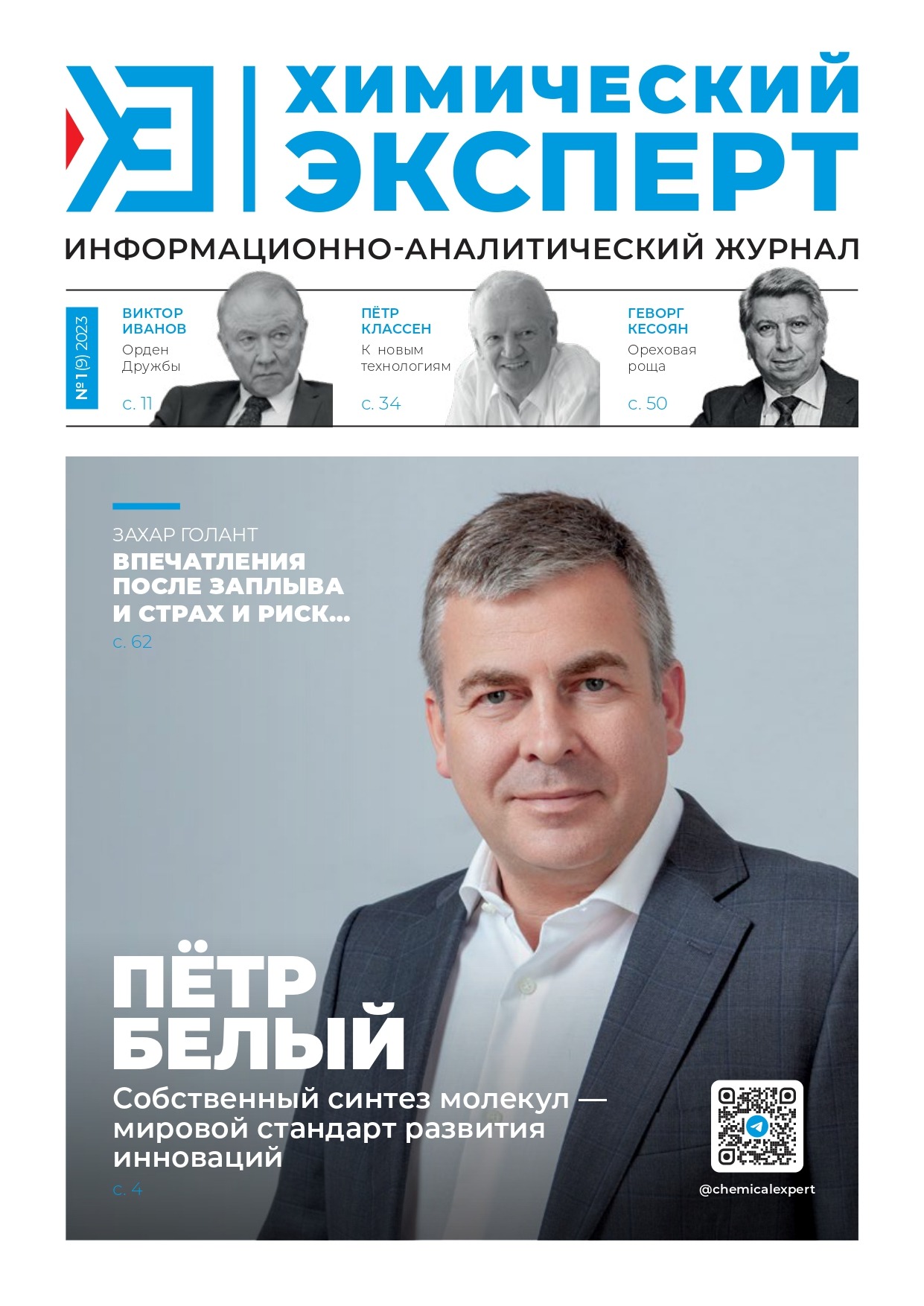
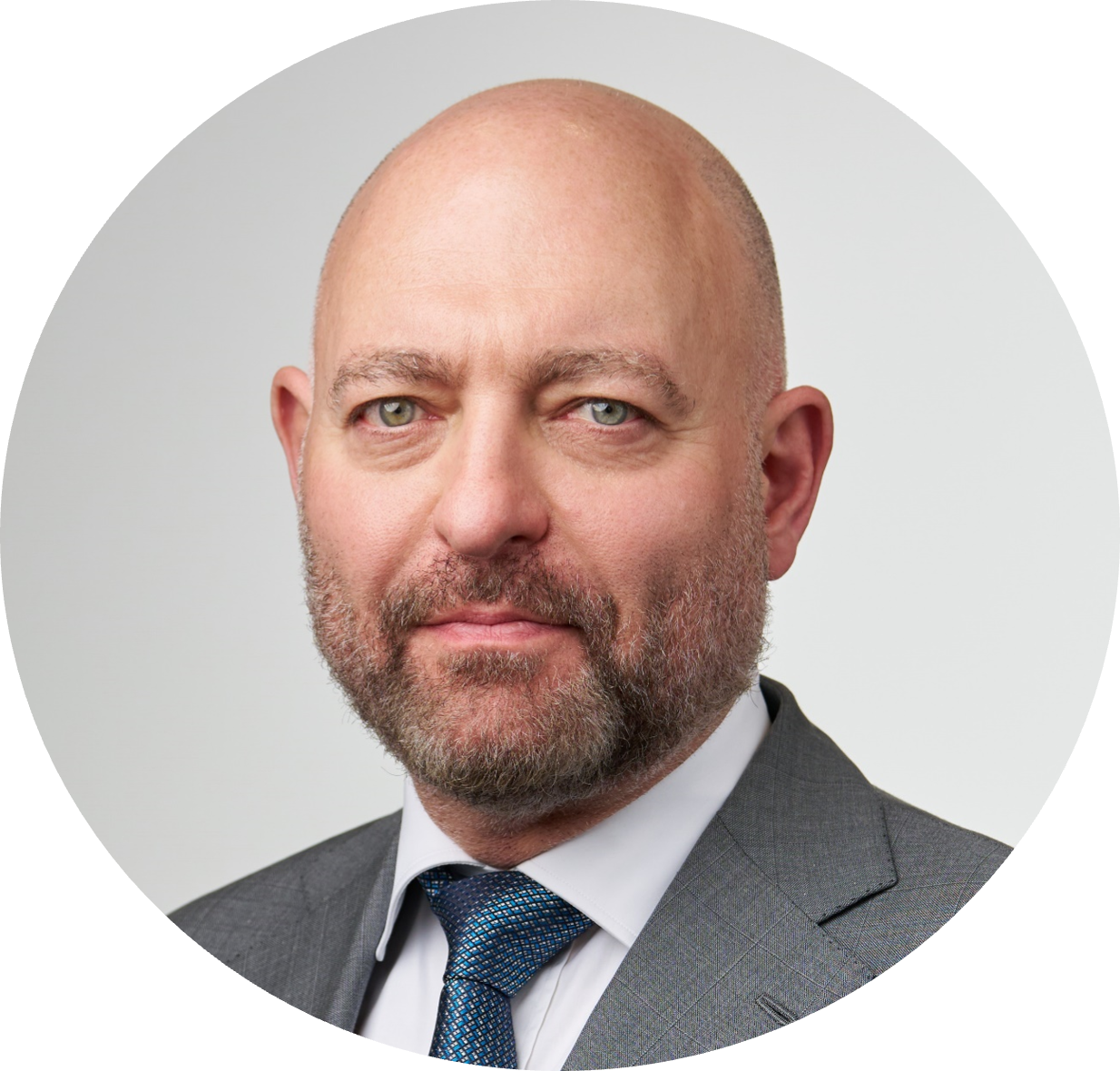
The new production of active pharmaceutical substances at the Biochemik plant (part of Promomed Group of Companies) in Saransk was recently opened by President Vladimir Putin himself. Not every pharmaceutical company decides to manufacture its own APIS. Why Promomed and Biochemist? This question was asked by the editorial board of the Chemical Expert magazine to Peter Alexandrovich Bely, Founder and Chairman of the Board of Directors of Promomed Group of Companies.
Peter Alexandrovich Bely (P. B.): In March of this year, with the participation of the President of the Russian Federation, Promomed opened a new workshop for the production of substances with a capacity of 340 tons per year for 150 types of substances. These are seven sites, two of which synthesize molecules for the manufacture of anticancer drugs. The new site has become a huge step forward in ensuring the country's drug safety and creating a base for the development of innovative domestic molecules.
The revival of the production of active pharmaceutical substances has become one of the main strategic achievements of the company. After all, the synthesis of substances is now as important for our country as space flights. Our own production of substances will help the Russian pharmaceutical industry become more independent and ensure national drug safety, as well as open up prospects for the export of APIs and finished medicines.
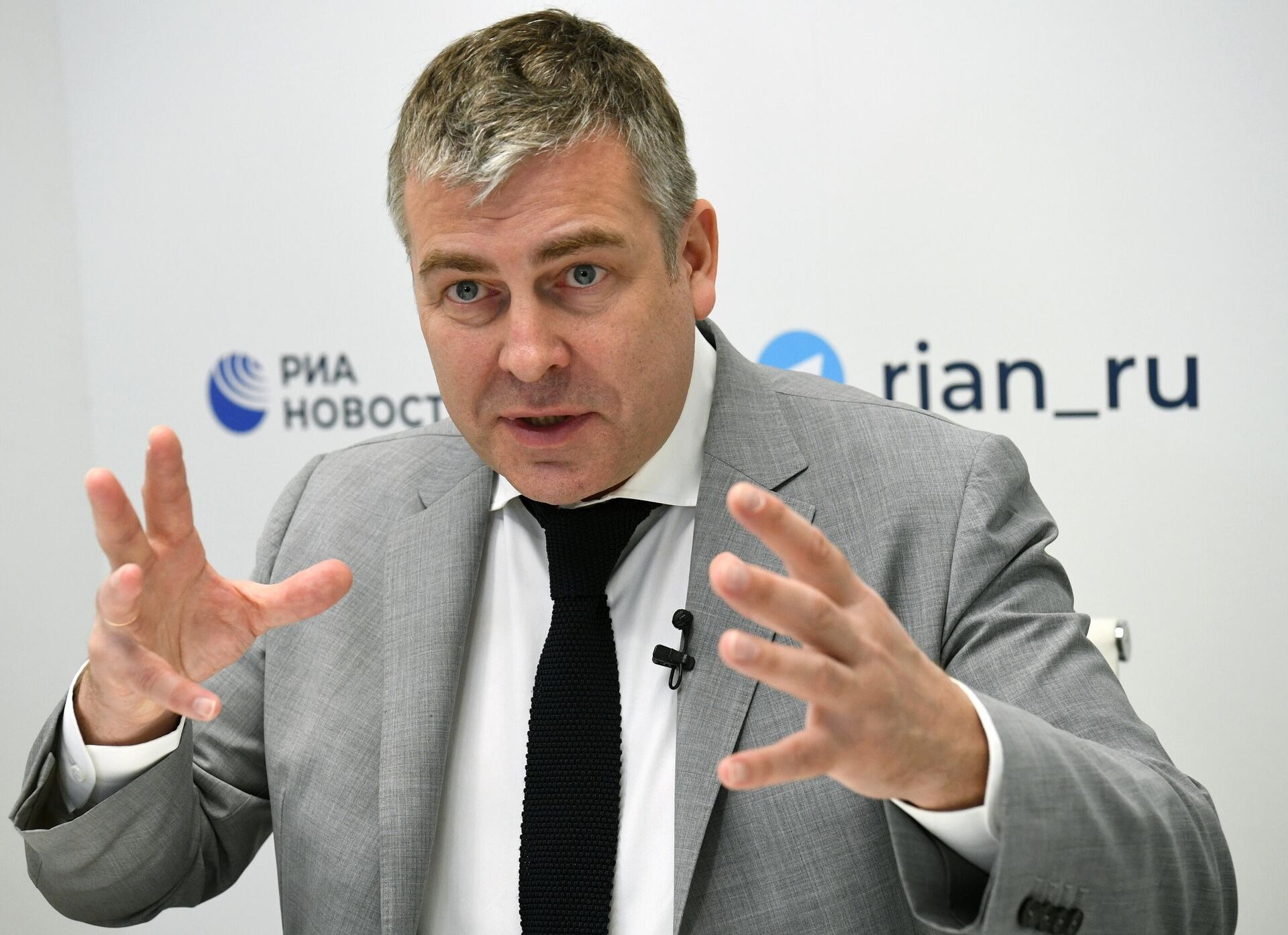
The opening of a factory for the production of active pharmaceutical substances is a direct strengthening of the country's medicinal sovereignty. So far, we have imported the lion's share of substances from abroad. Now we are starting to change this situation. Own synthesis of molecules is a direct access to innovation. Here we will create new medicines that treat faster and safer diseases that have not even been treated before.
The plans include further development of the range of available substances and a complete transition to working only with Russian suppliers.
The Biochemist plant was built in the Soviet years in order for the country to be provided with its own antibiotic substances. In 2015, the Promomed group of companies, as soon as Biochemist joined it, immediately set itself the task of restoring this synthesis of substances in our days. At first, these were antibiotics, the technology of which we were able to recreate and improve.
Thanks to the opening of a modern biotechnological laboratory at the plant, Biochemistry began producing a full cycle of new-generation antibiotics in 2018. In 2019, sites for the production of substances by chemical and biological synthesis methods were launched. In 2021, the site for the production of beta-lactam sterile substances began operation. And now there is already a site for the production of pharmaceutical substances from synthetic raw materials and a site for microbiological synthesis.
Our company is making important steps in the biotechnological direction. We have our own RNA technology for treating diseases. We have recreated an entire therapeutic platform, and based on it, we have already registered the first drug. This platform provides an opportunity to create the latest medicines for the treatment of a wide variety of diseases, from multiple sclerosis to cancer, for pre— and post-exposure prophylaxis of a wide range of infectious diseases.
Chemical Expert Magazine (H. E.): Continuing the topic of antibiotics: How do you deal with antibiotic resistance? Is Biochemistry working in this direction?
P. B.: Against the background of the universal problem of antibiotic resistance, the urgent need to localize the production of substances of effective antibacterial agents, in particular drugs for the treatment of severe nosocomial infections, is even more obvious.
Biochemist was one of the first companies to participate in the implementation of a project to develop and manufacture a new generation of domestic antibiotics. The uniqueness lies in the launch of full-cycle production without the use of imported components.
Antimicrobial resistance occurs when bacteria develop mechanisms that protect them from the effects of antimicrobials by destroying the active substance. Bacterial infections are more difficult to treat, which requires the use of increased doses or combinations of antibacterial drugs, which may be due to the presence of pronounced side effects.
For many years, the global scientific community has unsuccessfully tried to solve this problem, while cases of the appearance of multidrug-resistant bacteria have been reported, in which "medicine is powerless." One of them was recorded in the United States in 2016, when a patient was found to have a superbug resistant to 26 types of antibiotics available in the United States.
In this regard, the World Health Organization has called on governments around the world to develop a plan to combat antibiotic resistance. At that time, fifth-generation antibiotics in tablet form were created only in the USA.
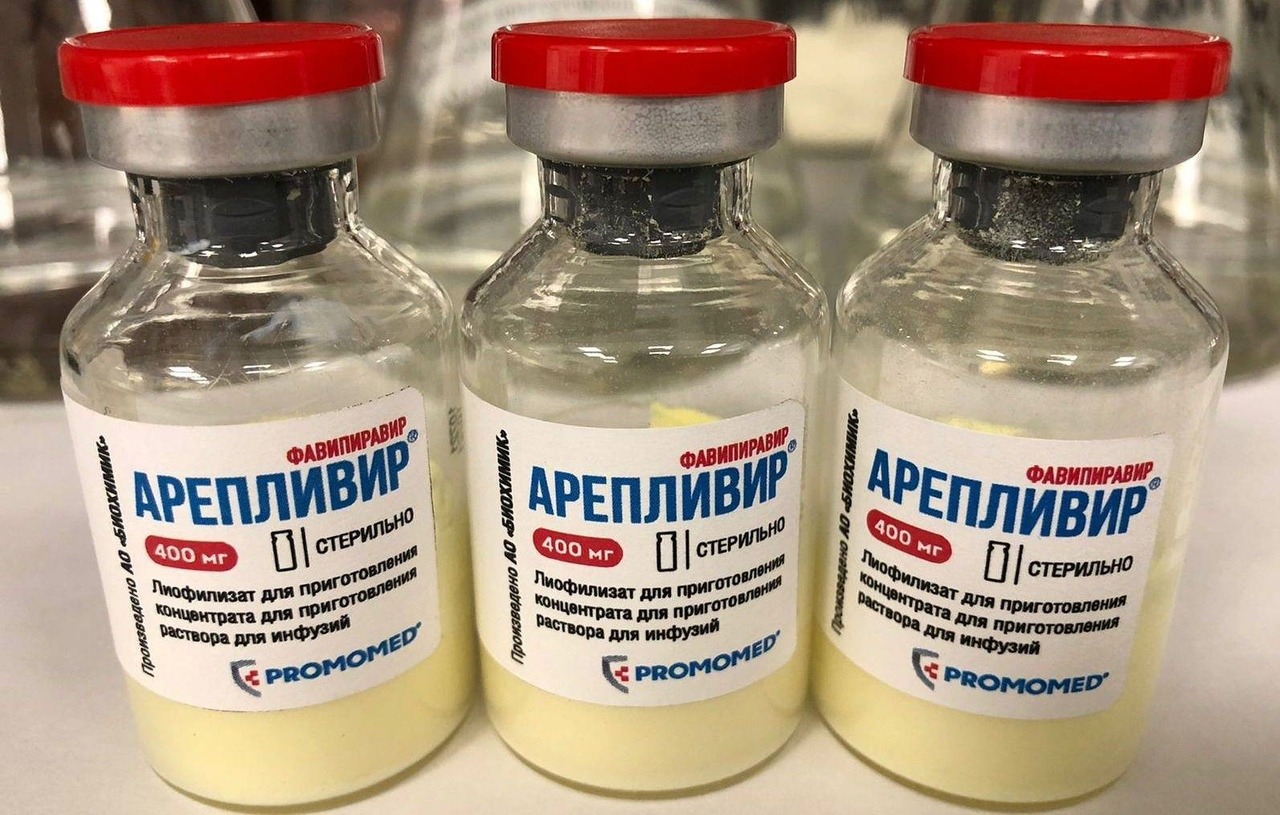
Our Biochemist plant was one of the first to take part in the implementation of a unique and important project for the whole country to develop and manufacture a new generation of domestic antibiotics. The uniqueness was the launch of full-cycle production without the use of imported components. When the reconstructed antibiotic production facility was opened, all attention was focused on the priority task — the release of antibiotics from the reserve group. Promomed Group acted as an innovator, starting with the release of a reserve antibiotic with the active ingredient vancomycin, which had not previously been produced in full-cycle enterprises in Russia, despite its importance.
The drug is used in the treatment of endocarditis, sepsis, bone and joint infections, lower respiratory tract infections, skin and soft tissue infections, and was previously produced from foreign raw materials. It is prescribed only in the most extreme cases, when first-line medicines are already ineffective.

The modernization of the enterprise, the study and introduction of new technologies in production allowed us not only to provide Russian patients with a drug that is strategically important for the drug safety of the Russian Federation, but also to start production of several more modern antibiotics from the class of glycopeptides. We have established a pilot production facility for antibiotics at our company. Among them are drugs used for tuberculosis, nosocomial infections, severe and complicated soft tissue infections. In addition, we have recreated the activities of the Institute of Antibiotics, which was lost after the collapse of the USSR.
According to the forecast of the Ministry of Industry and Trade of the Russian Federation, by 2030, exports of products of the domestic pharmaceutical industry may show a fivefold increase with the implementation of government support measures.
H. E.: In the context of the challenges facing the industry, what has Promomed done and will continue to do?
P. B.: Over the past few years, Promomed has consistently "built up its muscles" and taken active steps towards ensuring the country's pharmaceutical security. In 2018, we started producing antibiotics at the Biochemist production site. During the COVID-19 pandemic, we promptly launched the production of antiviral drugs, providing state-of-the-art therapy to our population, which means hundreds of thousands of lives saved. At the end of 2022, a new high-tech tablet production was launched on the basis of JSC Biochemik.
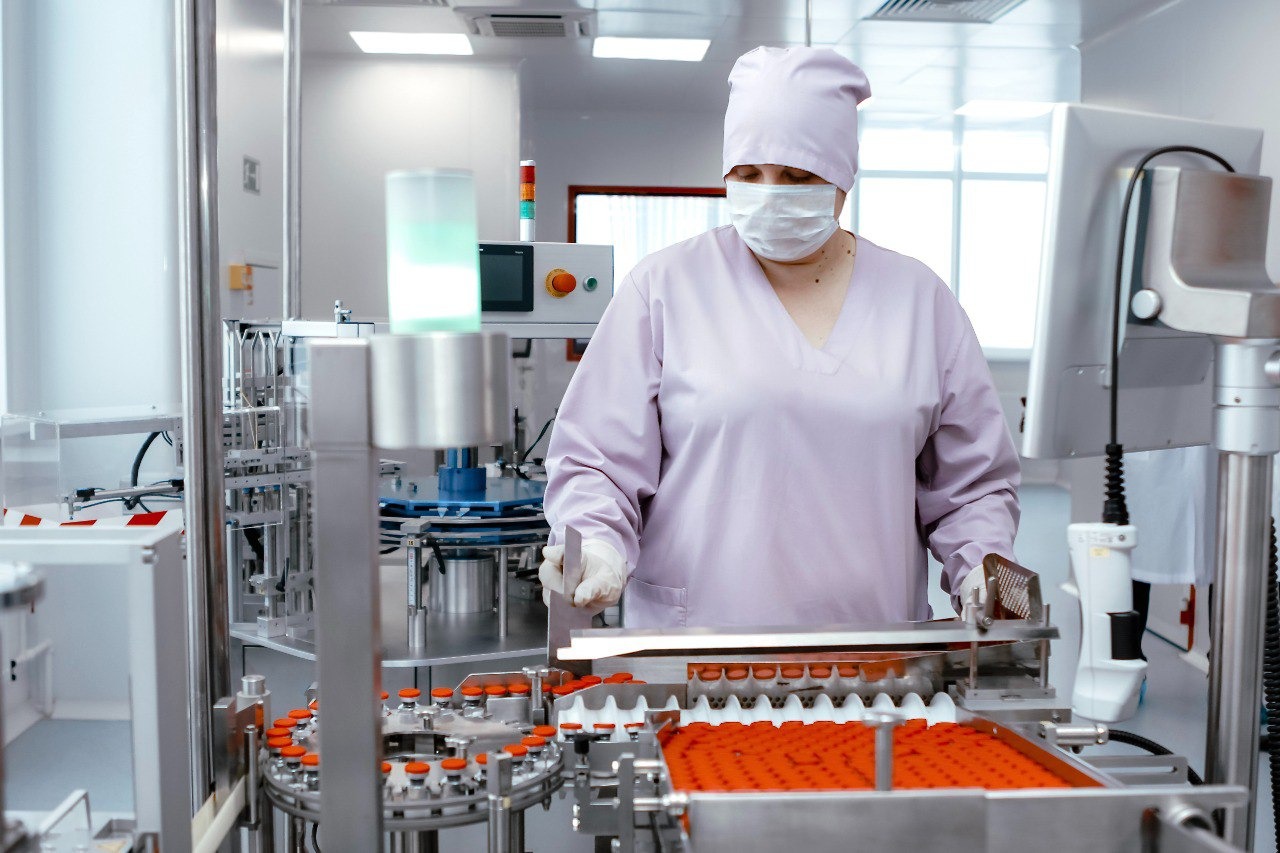
This is one of the most modern production facilities in Europe, where vacuum transfer technologies are used instead of human labor. The line is equipped with the most modern technologies, including for the manufacture of multilayer and composite tablets produced in conditions of photosensitivity and low humidity. Not all European factories can boast of such equipment. And, as I said above, our last chord was the launch of API production.
Now we are betting on the development of export potential. We need new markets. China, the countries of Africa and the Andean Union look like very promising areas.
We are already successfully operating in such CIS countries as Kazakhstan, Kyrgyzstan, Azerbaijan, Uzbekistan, Armenia, and the Republic of Belarus.
Distribution agreements have been concluded with partners from Jordan, Iraq and the United Arab Emirates, the process of registering our products in these countries is underway, and our representative office has been opened in Vietnam. We plan to enter the markets of Africa and Southeast Asia.
H. E.: Do domestic manufacturers need protectionist solutions from the government, or can we compete with foreign suppliers normally? And if so, which ones?
P. B.: The main objective of the Pharma 2020 strategy was to ensure the country's drug safety, as well as the production of national generics and biosimilars. The objectives of the Pharma 2030 strategy, which will be adopted soon and in which we are actively involved, are the production of national substances and the development of export potential. We need support for our export activities.
According to the forecast of the Ministry of Industry and Trade of the Russian Federation by 2030, exports of products of the domestic pharmaceutical industry may show a fivefold increase with the implementation of government support measures. At the same time, exporting is not just the delivery of products to another country. It is particularly difficult to bring a drug to highly competitive markets. It is necessary to continue working on the mutual recognition of the results of GMP inspections with regulators in various regions, as well as the establishment of bilateral relations at the state level. Therefore, the Ministry of Industry and Trade is now signing an agreement with the Arab Emirates at the government level on the recognition of certain documents — we can do this with countries in Africa and Southeast Asia so that our production standards are adopted there without additional confirmation. Then it will allow us to enter these markets more actively, earn more, leave more redevelopments here and, strictly speaking, develop our technological sovereignty.
In addition, in order to enter export markets, we need government support for international clinical trials in the form of interest rate subsidies (a mechanism for providing loans through FRP at 1% per annum).
Promomed Group successfully operates in the CIS countries: Kazakhstan, Kyrgyzstan, Azerbaijan, Uzbekistan, Armenia, Belarus. Distribution agreements have been concluded with partners from Jordan, Iraq and the UAE. In these countries, the process of registration of Promomed Group products is underway. A representative office has been opened in Vietnam. Now we are betting on the development of export potential. New sales markets are needed. China, the countries of Africa and the Andean Union look like very promising areas.
This will support the emergence of a large number of domestic innovative drugs on the domestic and foreign markets, and the development of the export potential of original domestic products to countries in Asia, Africa and South America. This is a long way to go, but by receiving this measure of support, we will bring a large number of drugs to friendly markets in 5 years. In the domestic market, we advocate expanding preferences for domestic manufacturers of medicines from the list of VED, in particular, reducing to 0% the amount of state registration fees for new medicines developed by Russian manufacturers; the introduction of accelerated registration mechanisms and inclusion in clinical recommendations will also contribute to the creation of new original domestic medicines.
The introduction of amendments to Article 284.1 of the Tax Code regarding the application of a preferential tax rate for high-tech pharmaceutical and biotechnological industries would serve the development of high-tech pharmaceutical and biotechnological industries.
H. E.: How can the government support the development of biotechnologies? After all, this is the key area for the development of Promomed.
P. B.: A separate big challenge facing the industry is the need to create a system for the production of biotechnological medicines. This is a new generation of therapy. Progress in this area makes it possible to reduce the burden on the medical and social security system. There are more and more such drugs appearing in the world — for diseases that have not been treated before, or those that can be treated more effectively and safely.
We are currently working on the creation of a federal center for the development of biotechnologies in Mordovia, which will allow the development of medicines.
The implementation of the project will ensure the production of analogues of foreign drugs for the treatment of vital diseases, as well as create a technological base for the development of new domestic original drugs. The presence of important stages in the development of biotechnological products in one place will ensure that the Center is in demand not only by large biotech companies, but also by research institutes and start-ups. This, in turn, will allow us to solve the difficulties of manufacturers who cannot provide conditions for all stages of development at their sites and install expensive equipment.
The introduction of amendments to Article 284.1 of the Tax Code regarding the application of a preferential tax rate for high-tech pharmaceutical and biotechnological industries would serve the development of high-tech pharmaceutical and biotechnological industries.
H. E.: As Leonid Kostandov, the USSR Minister of Chemical Industry, said: "To get a high-quality product, you need high-quality raw materials and high-quality equipment." In Russia, the situation with raw materials for the production of AFS is not the best. How do you solve this difficult task?
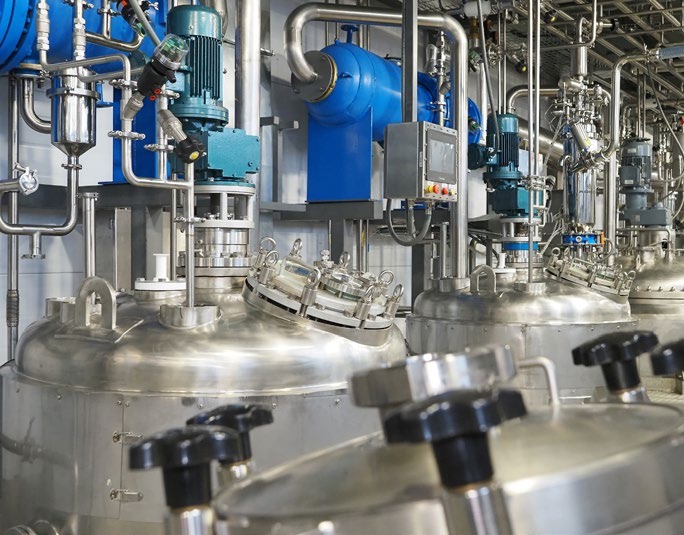
P. B.: Today we are facing a technological challenge. About 80% of the equipment in the pharmaceutical industry is imported. Nevertheless, most of the equipment and all technological solutions for our new AFS plant were created in Russia.
With each creation of a new production site at Biochemistry, the share of domestic equipment that we use is constantly growing. We actively cooperate with manufacturers of industrial equipment. Unfortunately, Russia has not developed the production of industrial equipment for pharmaceutical enterprises. For example, we have to buy even stainless pipes abroad. The Reatorg company acts as our technology partner here.
In addition to mechanical engineering, there are several other industries that we lack that need to be developed. Currently, work is actively underway with the Ministry of Industry to create a small and medium-sized chemical industry. Low-tonnage chemistry is the basis for the production of active pharmaceutical substances. Previously, there were state-owned clusters that processed a large number of chemicals. Of the 14 main substances of organ synthesis, two and a half thousand chemicals that we use can be obtained. In particular, amendments to the Decree of the Government of the Russian Federation dated December 15, 2017 No. 2834-r "On Approval of the action plan (Roadmap) for the development of low-tonnage Chemistry production in the Russian Federation for the period up to 2030" would have a positive effect in terms of establishing measures to stimulate the creation of reagents and solvents used in the pharmaceutical industry.
For drug independence, we need our own innovative next-in-class drugs. They will be the ones who will move us forward. And this is, first of all, our own synthesis of substances.
H. E.: Finally, what do you think sets your company apart from others in the industry and what do you plan to achieve in the coming years?
P. B.: We have a clear strategic vision. For drug independence, we need our own innovative next-in-class medicines. They are the ones who will move us forward. The future belongs to biotechnologies. We see development in monoclonal antibodies, vaccines, and RNA products.
We also have a team of highly qualified professionals who have proven their effectiveness in COVID. We have a full-cycle production site with a rich history. This year, a site for the production of lyophilic preparations will be opened at Biochemistry. The construction of a section of pre-filled syringes is in full swing. We continue to develop the production of cancer drugs. The company's cancer portfolio will become one of the largest in the country.
We actively cooperate with science and universities to find new breakthrough solutions. We also plan to enter new markets.
As the hero of one cartoon said, "infinity is not the limit"!
Source: Chemical Expert Magazine

Get the most interesting news and publications first!
Sent successfully!
Press office
To request a press release or interview, please contact our press office